The full archive.
Page 9 of 13 — articles on the physics of light, sorted newest first.
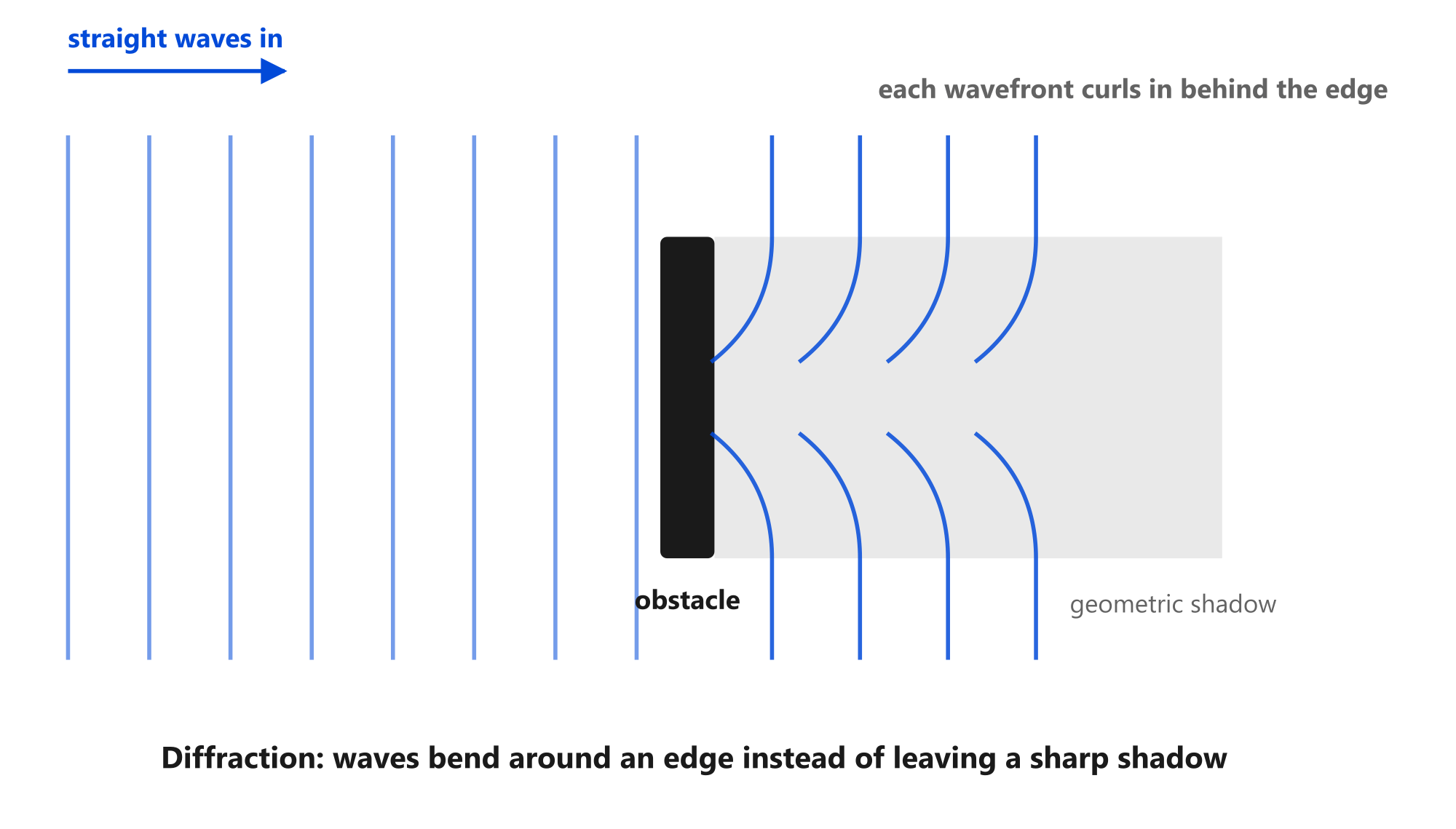
What Is Diffraction? Simple Definition, 7+ Examples & Diagram
Diffraction is the bending and spreading of waves around obstacles or through openings. It happens when a wave meets an object or aperture roughly the same size as its wavelength — the closer the match, the more the wave spreads. Sound diffracts around doorways (which is why you hear someone in the next room). Light diffracts through a narrow slit (which is why a laser beam spreads into a pattern of bright and dark bands). The effect is strongest when the obstacle or opening is about the same size as the wavelength. Here is what diffraction is, how it works, and 7 everyday examples.
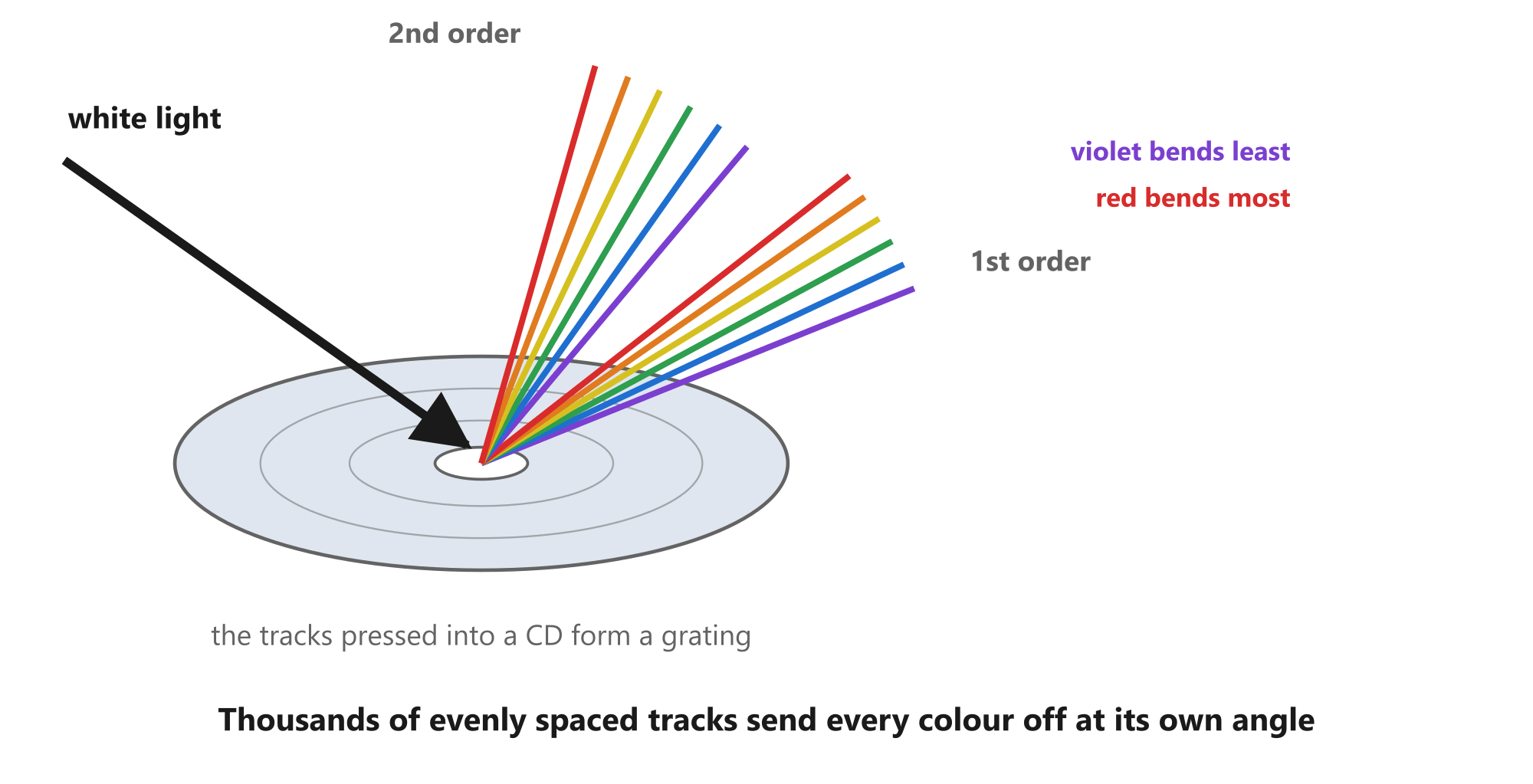
What Is a Diffraction Grating? How It Works, Equation & Types
A diffraction grating is an optical component with a periodic structure that splits light into its constituent wavelengths. Think of it as a supercharged prism. Where a prism bends different colours by different amounts, a diffraction grating separates colours by constructive and destructive interference from thousands of closely spaced slits or grooves. The result is a clean, evenly spaced rainbow spectrum. Gratings are used in spectrometers to identify chemical elements, in CD players to read data, and in telescopes to study stars.
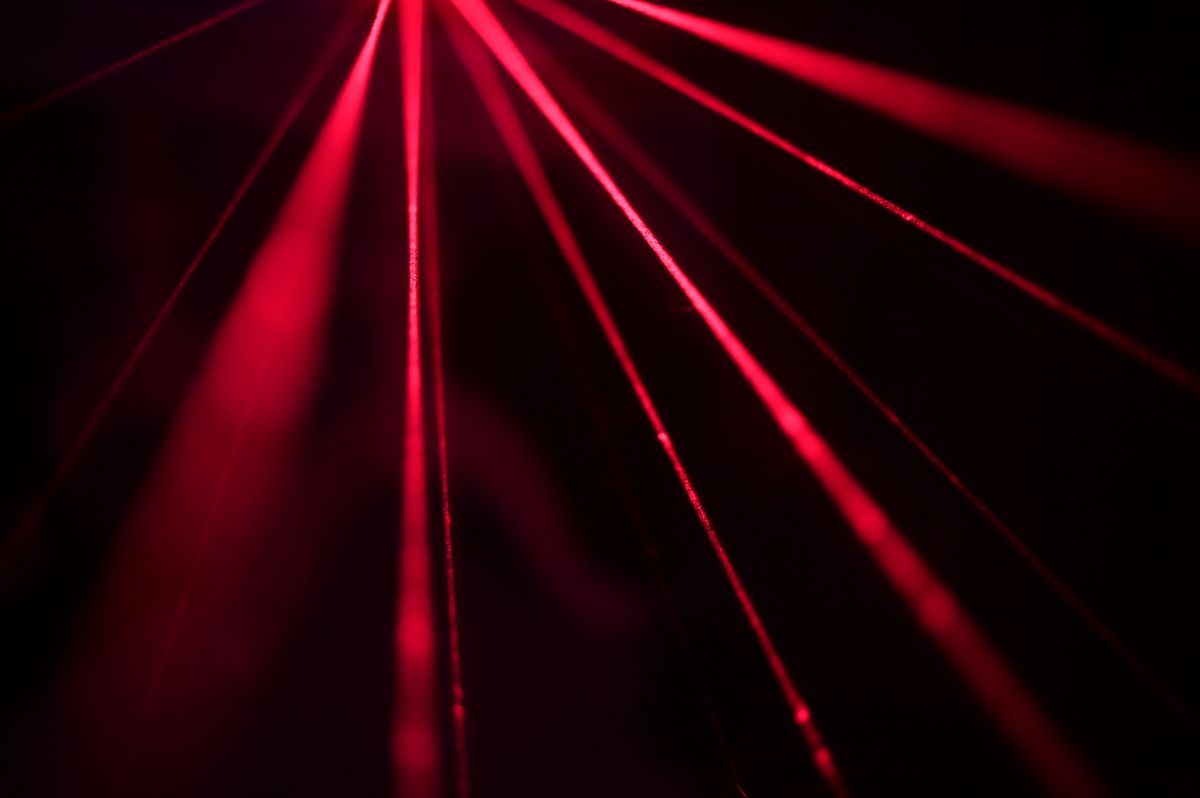
Single Slit Diffraction: 3 Essential Equations & Pattern
Single slit diffraction produces a pattern of bright and dark fringes when light passes through a narrow opening. The central maximum is twice as wide as the others and contains most of the light. The dark fringes follow a sin θ = mλ. Here is how the pattern works, how to derive the equation from Huygens principle, worked examples with real numbers, and why single-slit is different from double-slit or grating patterns.
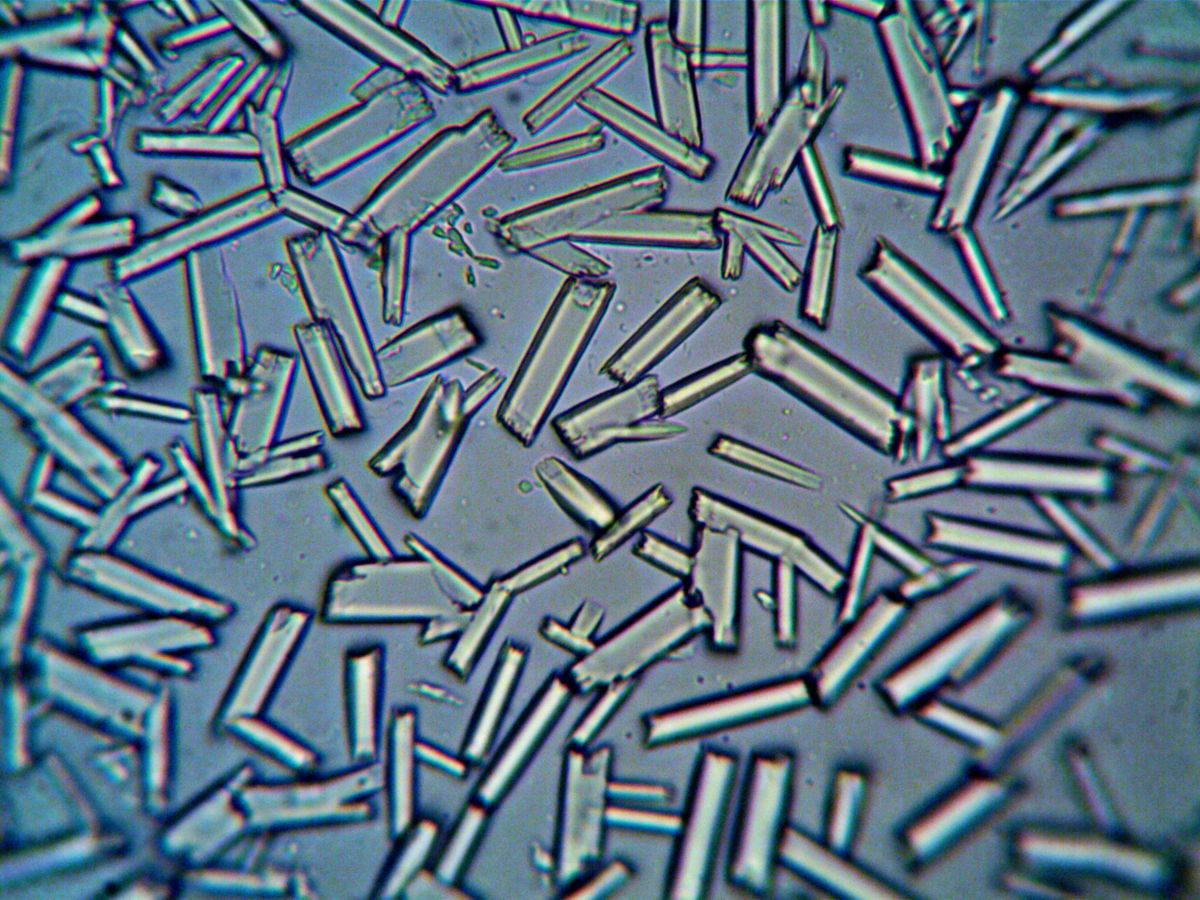
Laser Diffraction & Particle Size Analysis: The Lab Guide
Laser diffraction measures particle sizes by analysing how a laser beam scatters off particles in suspension. Large particles scatter light at small angles; small particles scatter at large angles. By measuring the angular intensity pattern of the scattered light and applying Mie theory or the Fraunhofer approximation, a laser diffraction particle size analyser calculates the full particle size distribution — from tens of nanometres to several millimetres — in less than a minute. Here is how it works, the theory behind it, and what the results mean.
Fraunhofer Diffraction vs Fresnel: 5 Essential Differences
Fraunhofer diffraction (far-field) and Fresnel diffraction (near-field) are two regimes that describe how diffraction patterns change with distance. In Fraunhofer diffraction, the source and screen are effectively at infinity, giving planar wavefronts and a stable pattern. In Fresnel diffraction, the source or screen is close to the aperture, giving curved wavefronts and a pattern that changes with distance. The Fresnel number N_F = a²/λL tells you which regime applies. Here is the difference, the maths, and when to use each.

Diffraction Examples: 15 Surprising Everyday Phenomena (with Pictures)
Diffraction is the bending and spreading of waves around obstacles or through openings — and you see it every day. The rainbow pattern on a CD, the soft edge of a shadow, the halo around the Moon, the reason you hear someone talking in the next room before you turn the corner: all are diffraction. Light, sound, and water waves all do it, just on different scales. Here are 15 surprising diffraction examples you have seen without realising it, with pictures and explanations.

Electron & Neutron Diffraction: How Matter Waves Reveal Structure
Electron diffraction is the wave-like scattering of electrons by crystalline materials, proving that matter has wave properties. When a beam of electrons is accelerated through a potential difference and directed at a thin crystal, it produces a diffraction pattern — exactly like X-rays or light. This is a direct consequence of wave-particle duality: every particle has a de Broglie wavelength λ = h/p, and when that wavelength is comparable to atomic spacings in a crystal, diffraction occurs. Here is how electron diffraction works, the experiments that proved it, and how it is used in techniques like TEM, LEED, and neutron diffraction.
Diffractive Optical Elements (DOEs): Uses, Types & Applications
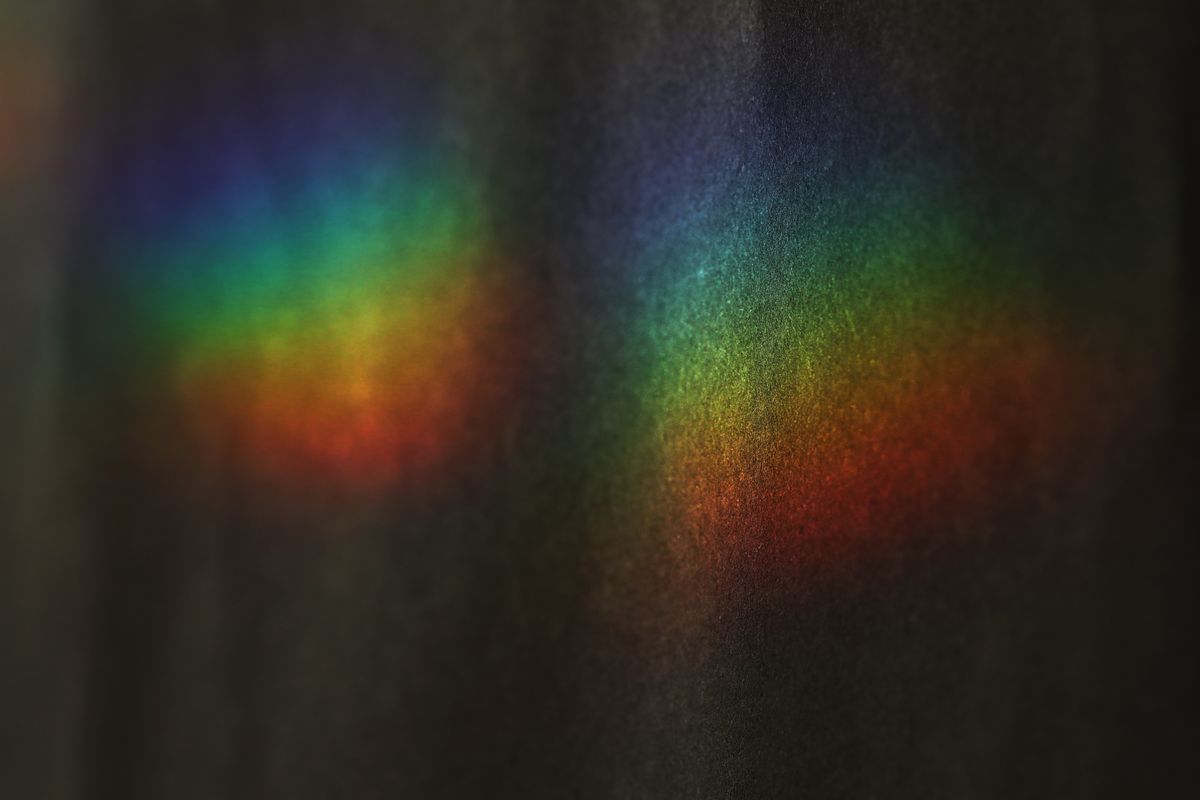
Diffractive optics is the technology of using micro-structured surfaces — etched or replicated patterns with features as small as a few hundred nanometres — to control light through diffraction rather than refraction or reflection. A diffractive optical element (DOE) splits a single laser beam into an array of beams, shapes a circular spot into a square one, or focuses light using a flat surface instead of a curved lens. DOEs are compact, lightweight, and can perform optical functions that conventional lenses and mirrors cannot. Here is how diffractive optics works, the main types of DOE, and 5 real-world applications.

Diffraction Spikes Guide: 5 Best Sharpness & f-Stop Secrets
Diffraction spikes are the star-shaped rays that radiate from bright points of light in a photograph — street lamps at night, the sun through trees, or stars in an astrophotograph. They happen when light diffracts around the edges of your camera's aperture blades or a telescope's support struts. The number of spikes depends on your aperture blade count: even-numbered blades produce the same number of spikes, odd-numbered blades produce twice the number. Diffraction also softens your images at small apertures (high f-numbers) because the Airy disc — the smallest point your lens can resolve — grows larger than your sensor's pixels. Here is what diffraction spikes are, why they matter for sharpness, and 5 ways to manage them.
Diffraction of Water Waves: Ripple Tank Demonstration Guide
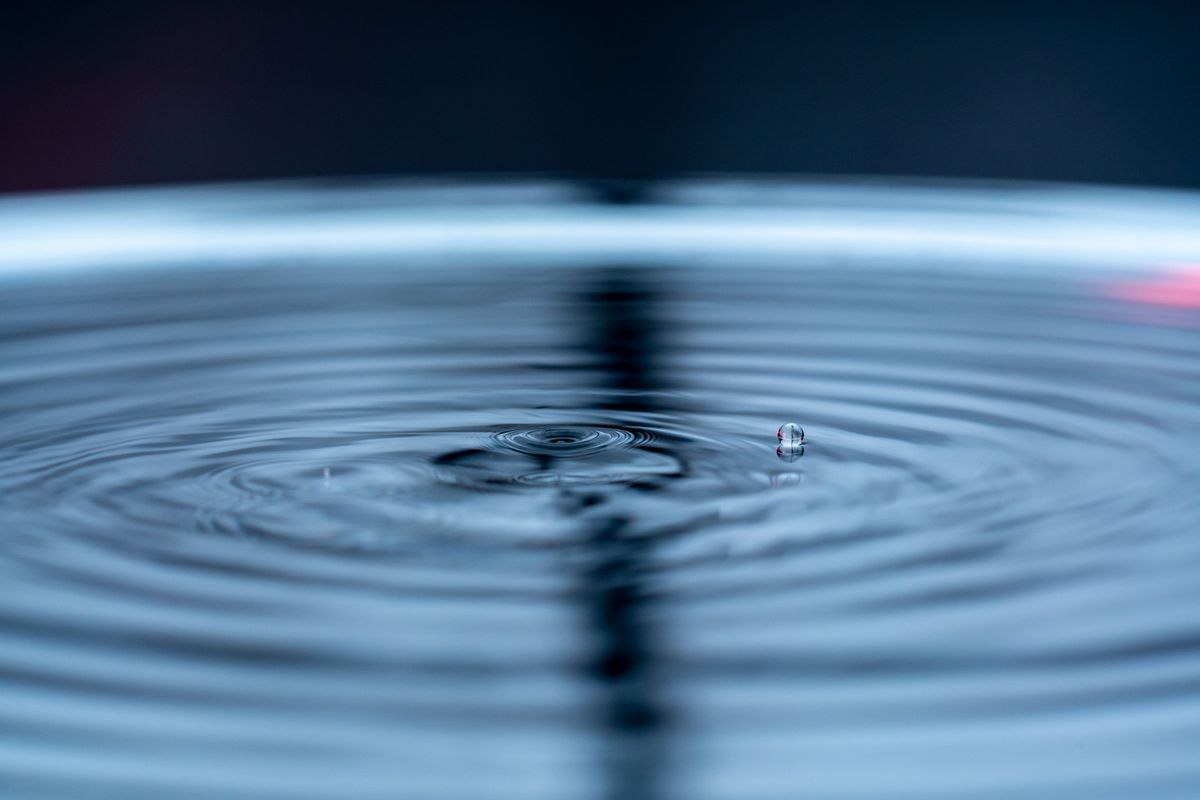
Diffraction of water waves is the most visual way to understand how all waves bend around obstacles. A ripple tank — a shallow tray of water with a vibrating dipper — turns invisible wave physics into shadows you can see projected on a screen. Water waves diffract strongly because their wavelengths (centimetres to metres) match the size of everyday obstacles and openings. Here is how a ripple tank works, 3 essential demonstrations you can run, and what they teach about diffraction.
Diffraction of Sound: 5 Key Ways Sound Bends Around Corners
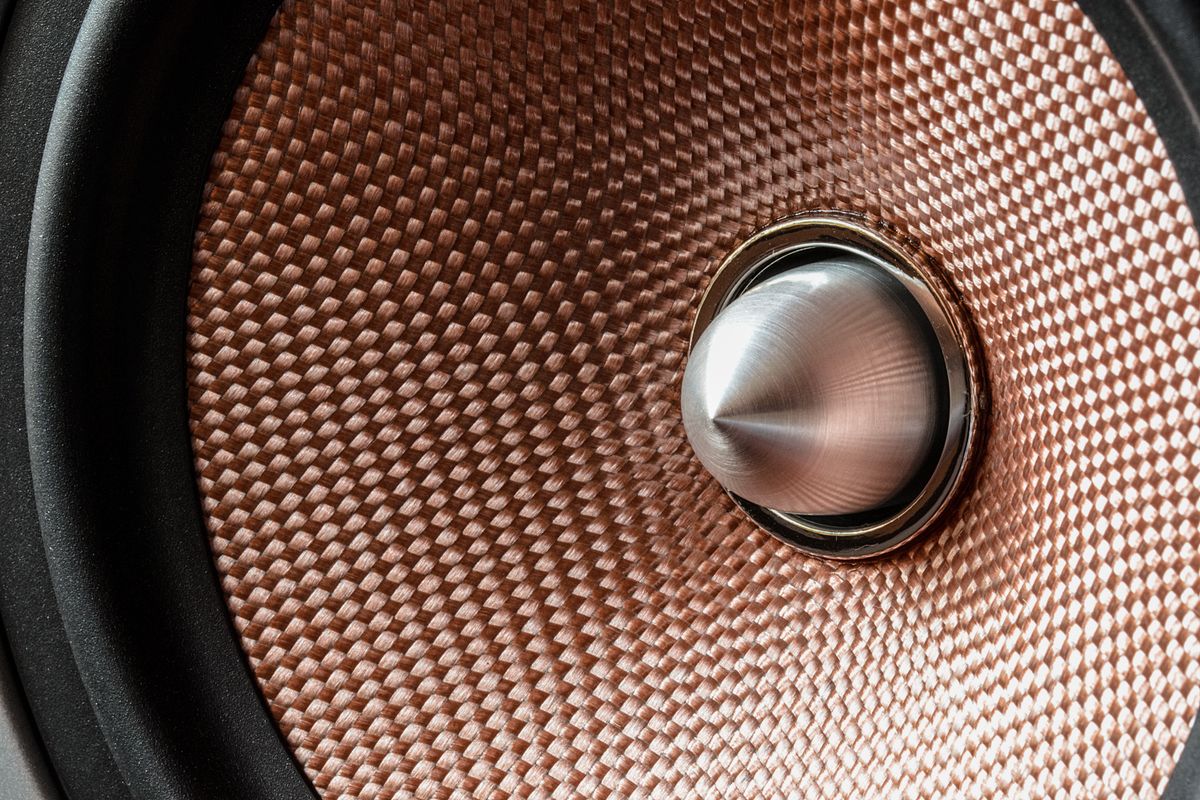
Diffraction of sound waves is why you hear someone talking in the next room before you see them, why bass from a subwoofer fills the whole house, and why thunder rumbles from miles away. Sound diffracts because its wavelengths are comparable to everyday objects: low bass notes have wavelengths of several metres, while high treble notes are centimetres. The longer the wavelength relative to the obstacle, the more the sound bends. Here is how diffraction works for sound, why frequency matters, and how acousticians use it to design concert halls and noise barriers.
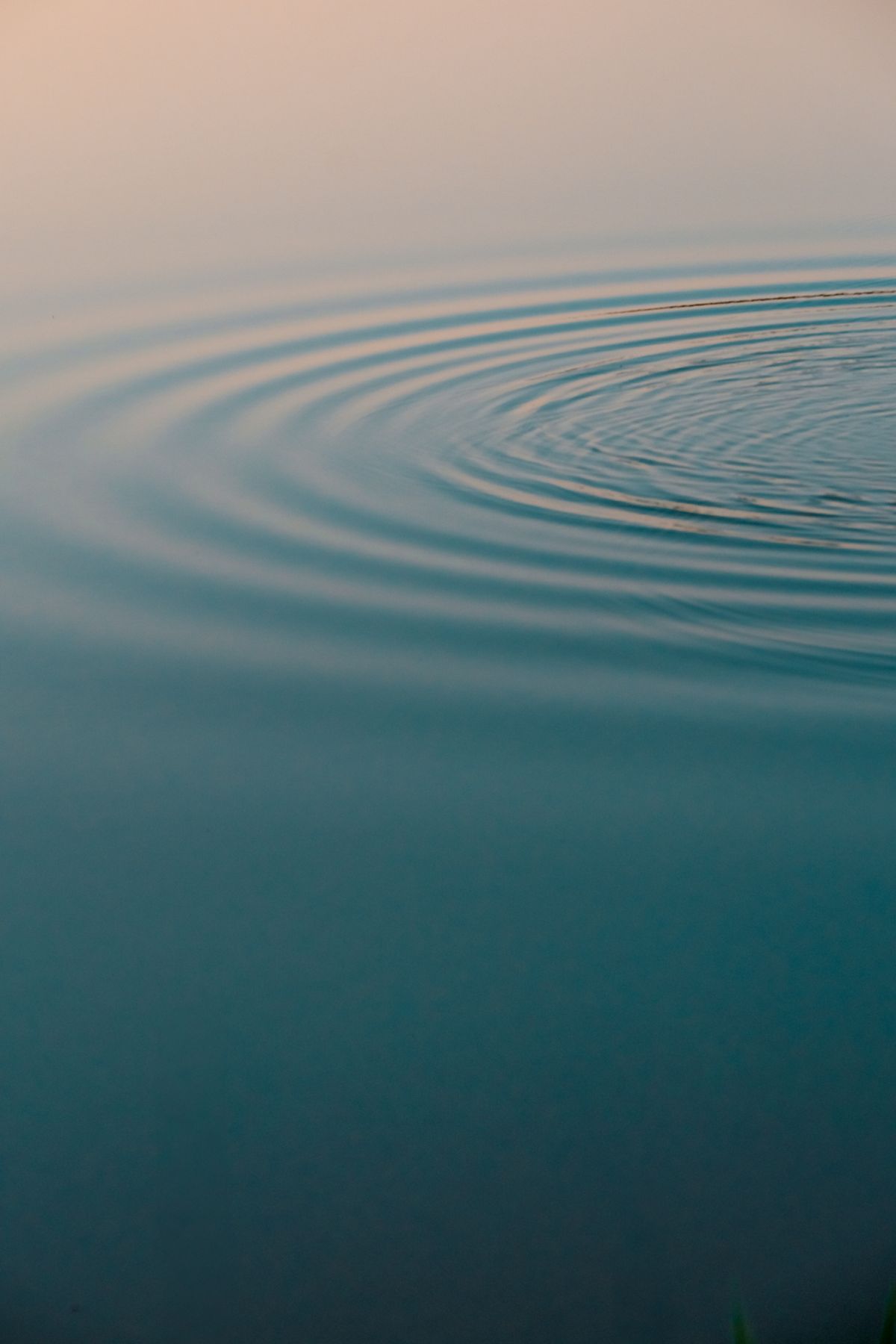
Diffraction of a Wave: How Waves Bend Around Obstacles (Guide)
Diffraction of a wave is the bending and spreading that happens when a wave meets an obstacle or passes through an opening. Water waves spread through a harbour mouth. Sound waves bend around a doorframe. Light waves spread through a narrow slit. All waves diffract, but the amount depends on one thing: the size of the obstacle relative to the wavelength. Here is how diffraction works for water waves, sound waves, and light waves — with the Huygens principle and real examples.