The full archive.
147 articles on the physics of light, sorted newest first. Filter by topic in the sidebar.
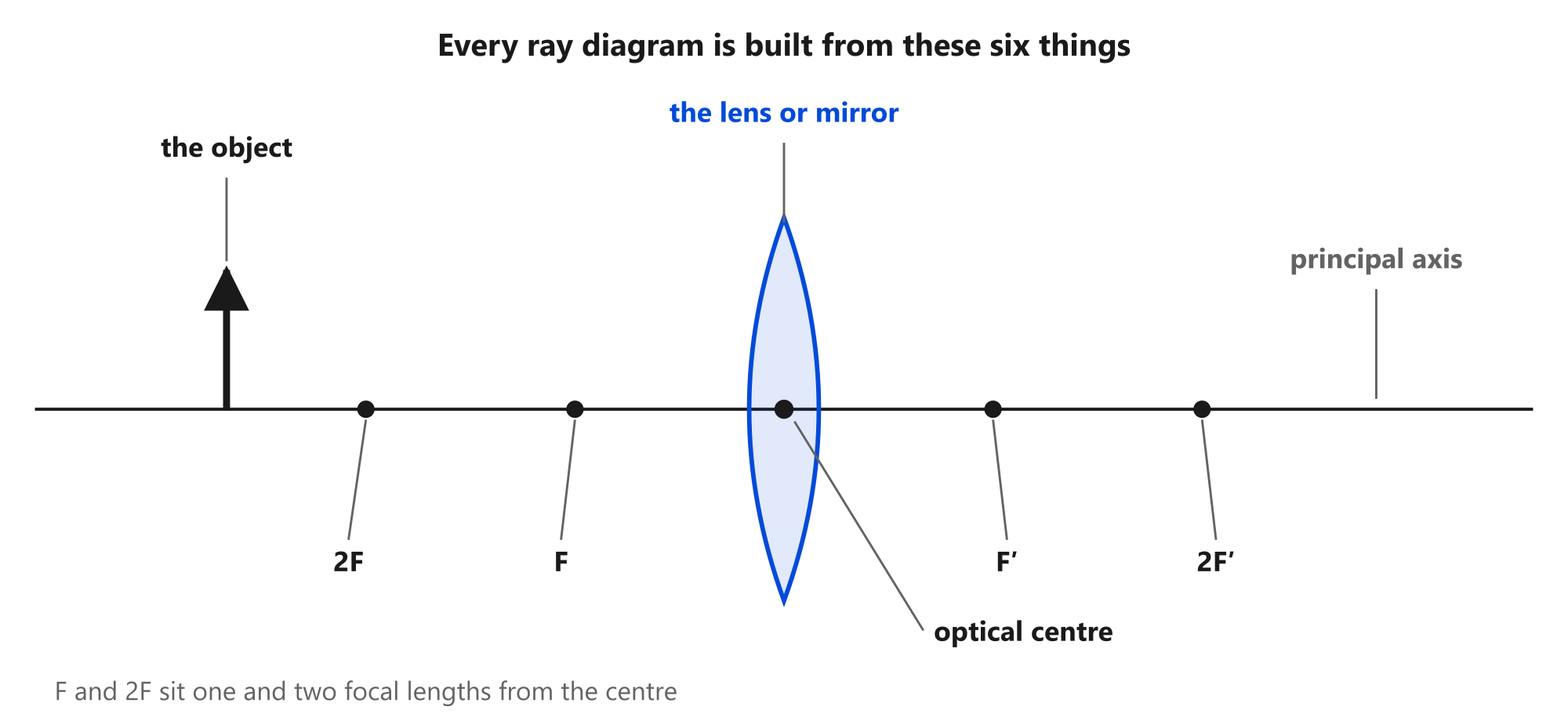
How to Draw a Ray Diagram (Mirrors, Lenses and Refraction)
A ray diagram traces the path light takes through an optical system so you can find where the image forms, how big it is, and which way up. The method is the same whether you are drawing a concave mirror, a convex lens or a ray crossing into glass: set up the axis and the focal points, send in two rays whose behaviour you already know, and mark where they cross. Here is that method, with a worked diagram for each type of optic.
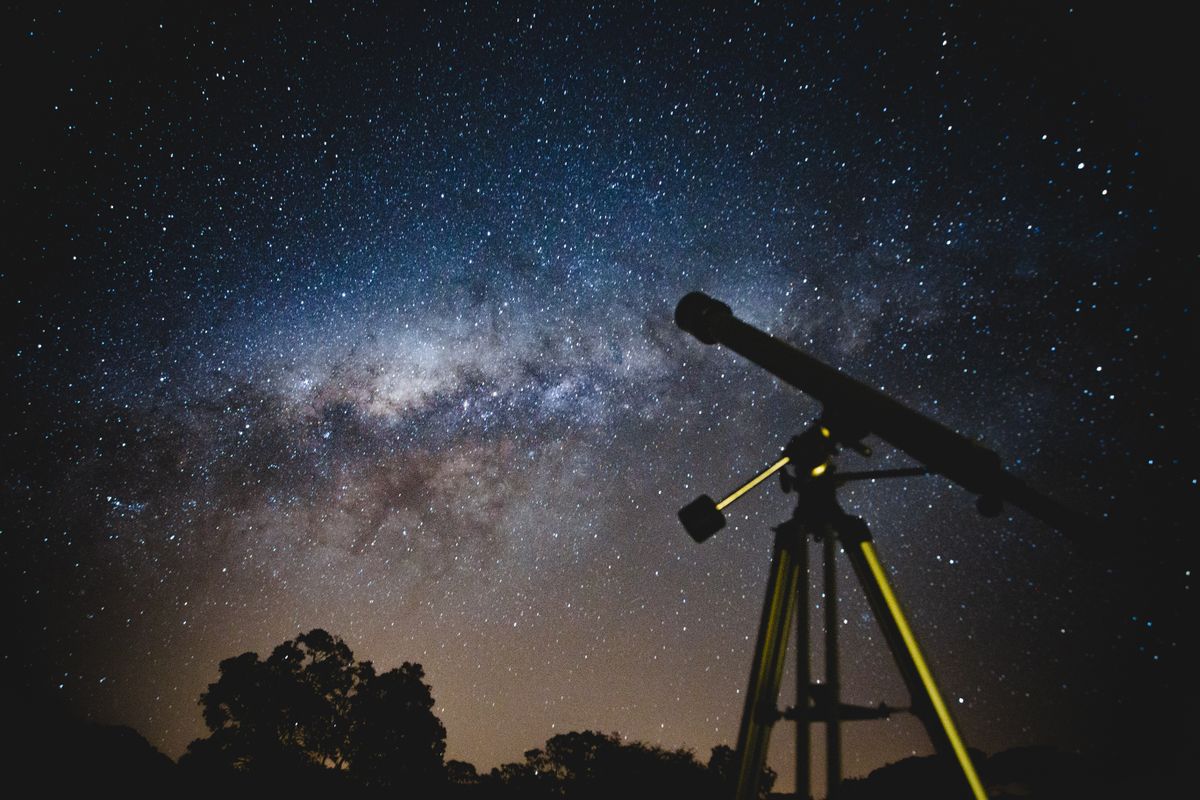
What Is the Opposite of a Telescope? 5 Surprising Facts
The opposite of a telescope depends on which meaning you use. As an optical instrument, the opposite of a telescope is a microscope — one makes distant things appear near, the other makes tiny things appear large. As a verb meaning to compress, the opposite is expand, extend, or unfold. This guide covers all the meanings, the physics behind the opposites, and fun trivia about these remarkable instruments.
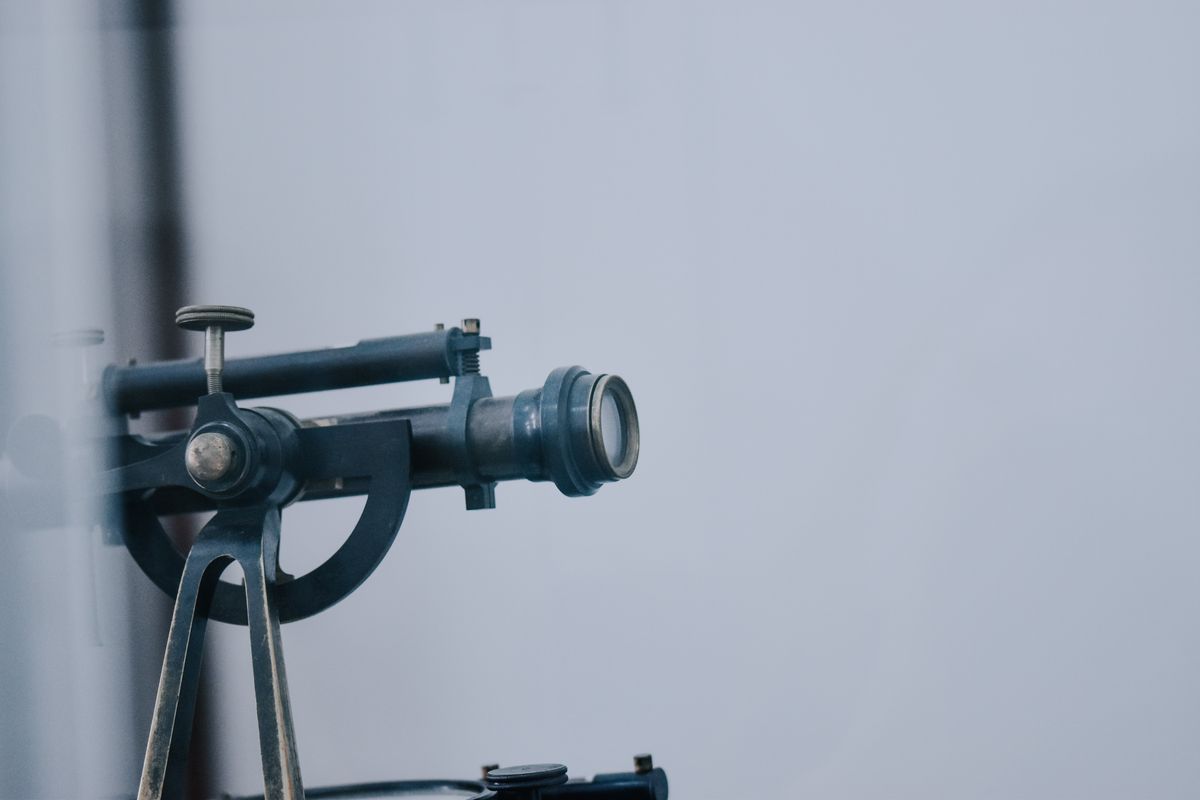
Essential Optical Instruments: 7 Powerful Types & Examples
Optical instruments are devices that process light waves to either enhance an image for viewing or analyse light to determine its characteristic properties. Common examples include telescopes, microscopes, cameras, binoculars, periscopes, spectrometers, photometers, and refractometers. This guide covers the two main categories — image enhancement instruments and optical measuring instruments — with how each works and where you see them.
Why Stars Twinkle But Planets Don't: 4 Simple Reasons
Stars twinkle because they are point sources — their light passes through turbulent atmosphere and scatters. Planets appear as tiny discs, so the fluctuations average out. Here are 4 simple reasons why stars twinkle but planets don't.
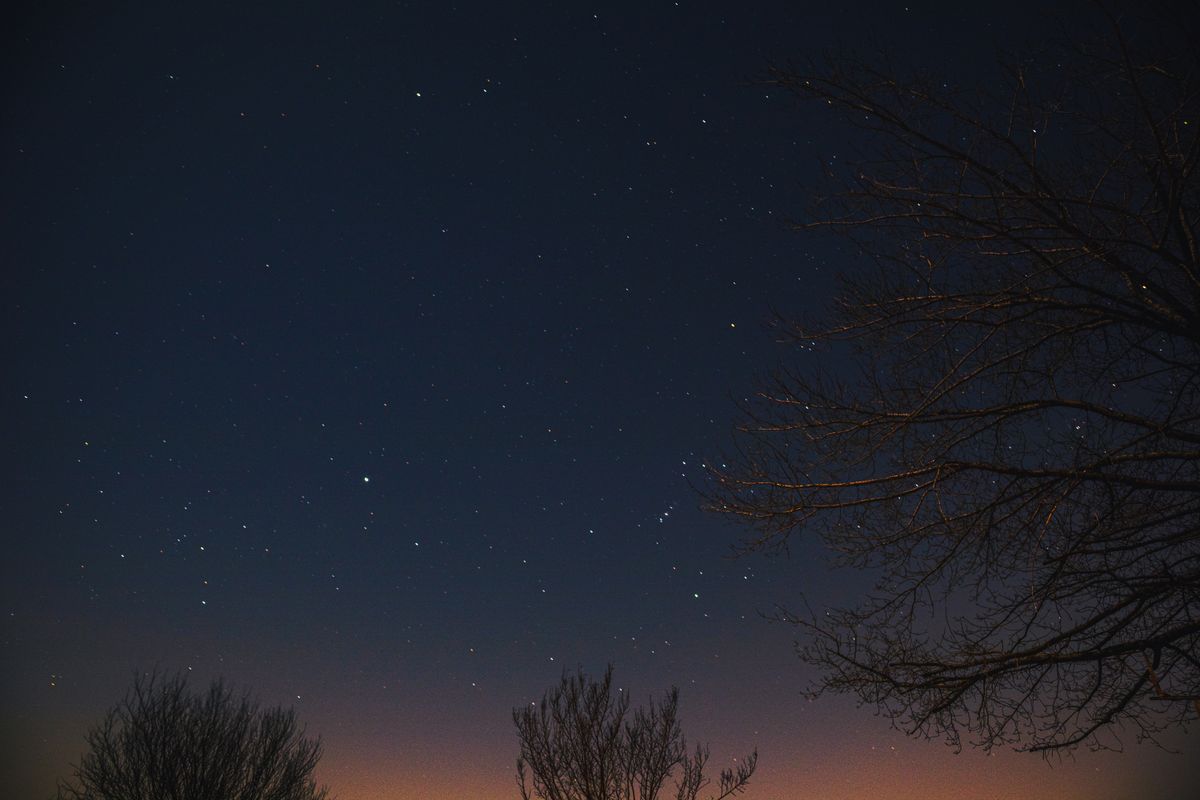
Why Do Stars Twinkle? (Atmospheric Scintillation Explained)
Stars twinkle because their light passes through Earth's turbulent atmosphere, which bends and distorts the beam before it reaches your eyes. The scientific name is atmospheric scintillation, and it explains why some stars sparkle more than others — and why planets stay steady.
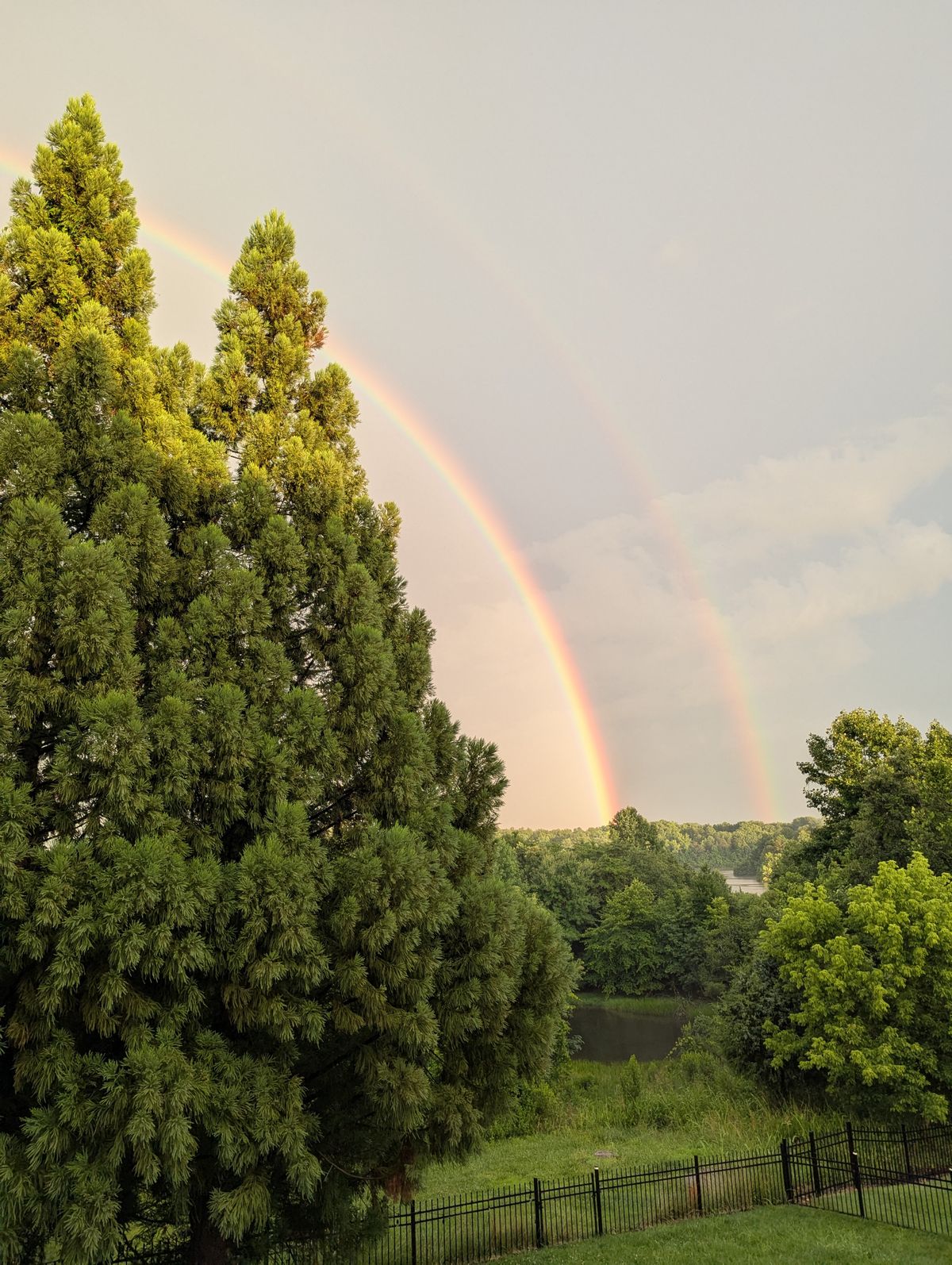
What Causes a Double Rainbow? 3 Stunning Physics Facts
What causes a double rainbow? Two internal reflections inside raindrops create a second, fainter arc above the primary bow, with colours reversed. This guide covers the physics, angles, why the secondary bow is dimmer, and the dark band between them.
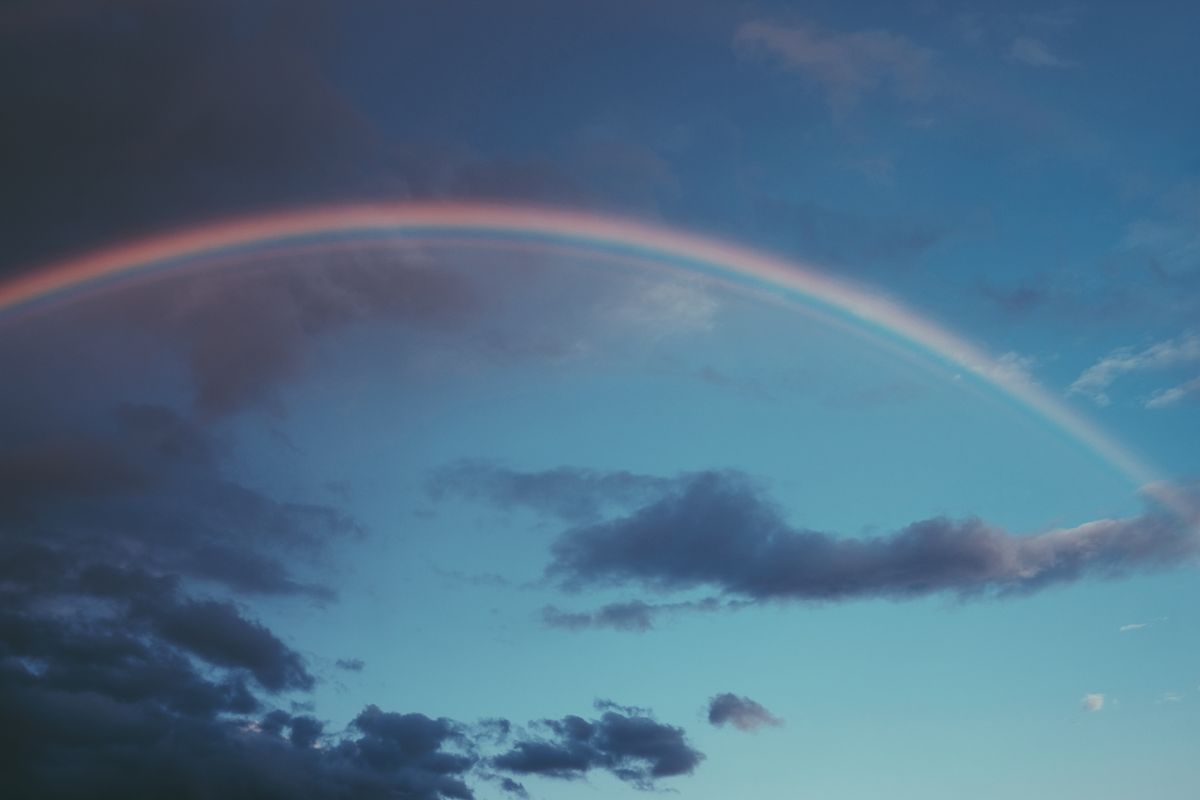
7 Rare Types of Rainbows You Must See (Supernumerary & More)
Most people know the standard rainbow, but nature produces far rarer types — supernumerary, twinned, triple, multiple, fogbows and more. This guide covers the rare types of rainbows, what causes each one, and where to spot them.
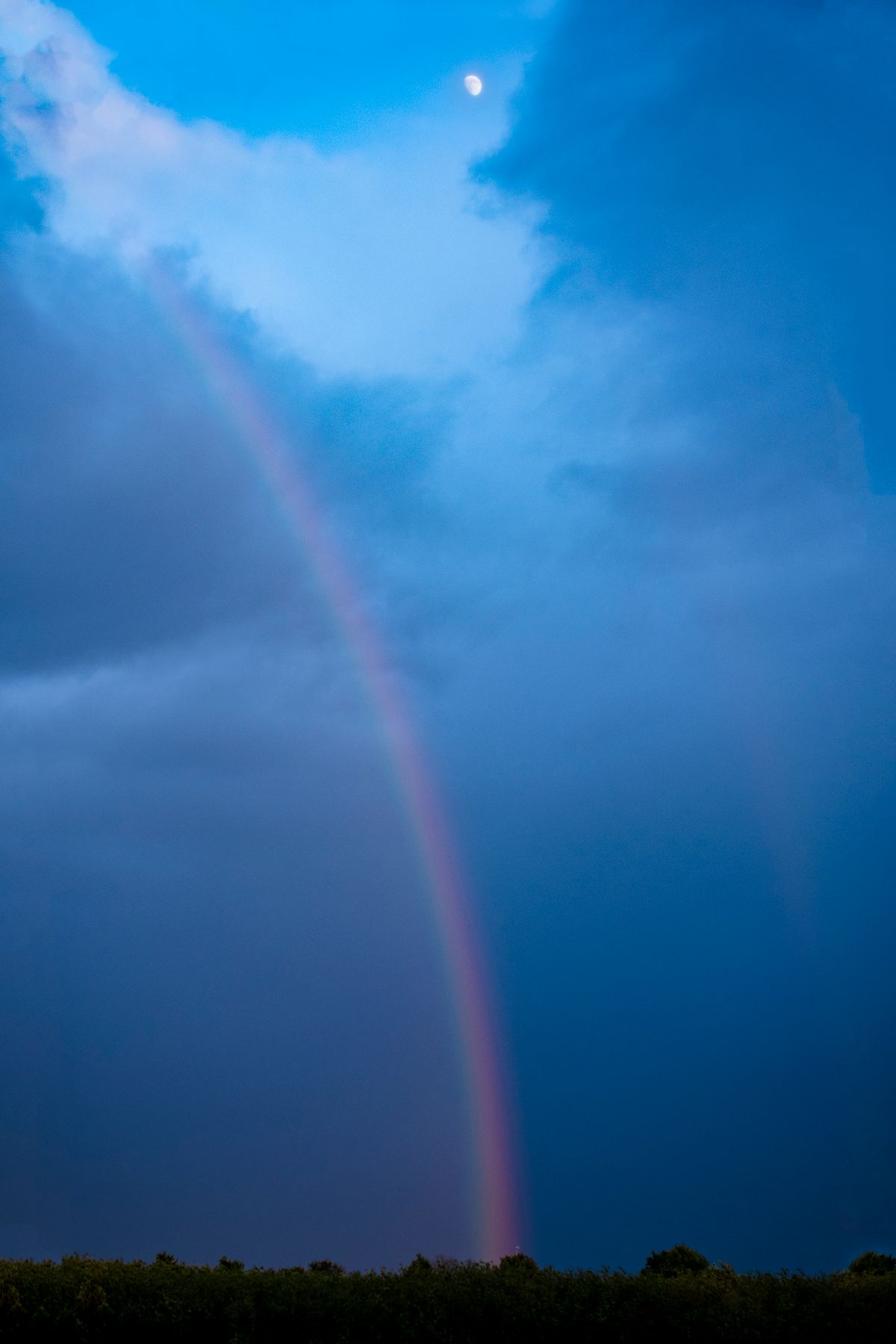
Moonbows, Fogbows & Snowbows: Night Rainbows Explained
A moonbow is a rainbow produced by moonlight instead of sunlight — a rare and stunning night-time spectacle. This guide covers how moonbows form, why they look white, what fogbows are, whether snow can make a rainbow, and where to see them.
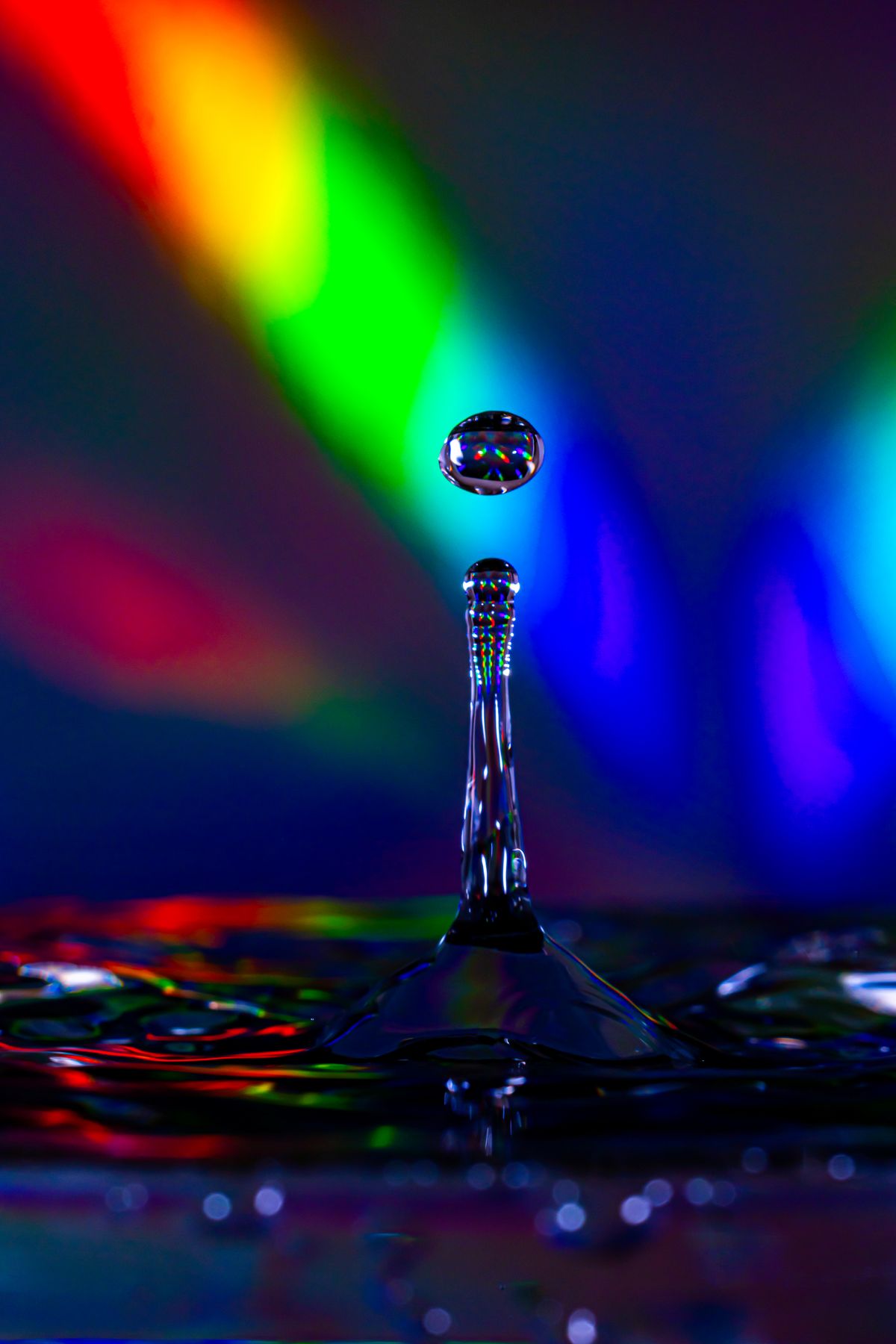
How to Make a Rainbow: 5 Easy Science Experiments at Home
Five easy ways to make a rainbow at home using household items. From prisms to garden hoses, learn the science behind each method with step-by-step instructions.
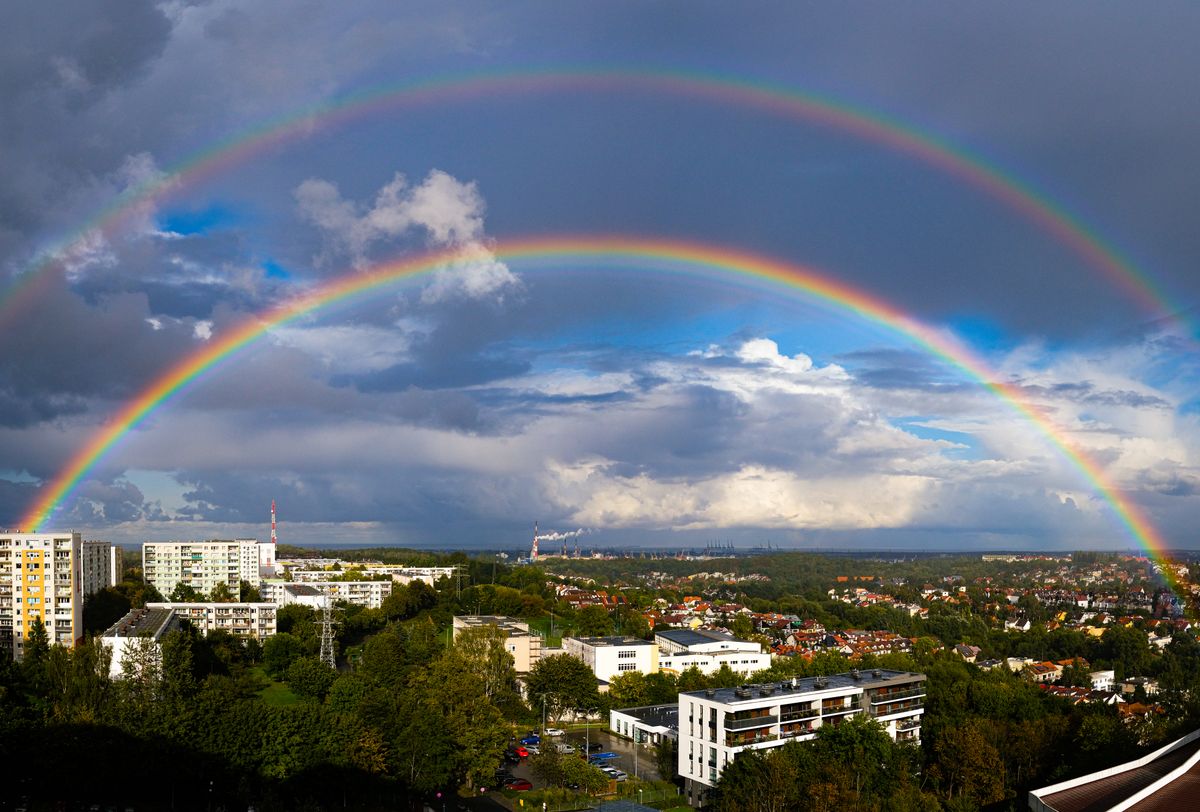
How Do Rainbows Form? The Physics of Rainbows
Rainbows form when sunlight enters a raindrop, bends (refracts), reflects off the inside back surface, and bends again as it exits — separating white light into its component colours. This pillar guide covers the step-by-step physics of rainbow formation, why colours appear in ROYGBIV order, the 42° angle that determines a rainbow's position, why rainbows are curved, double rainbows, and common misconceptions.
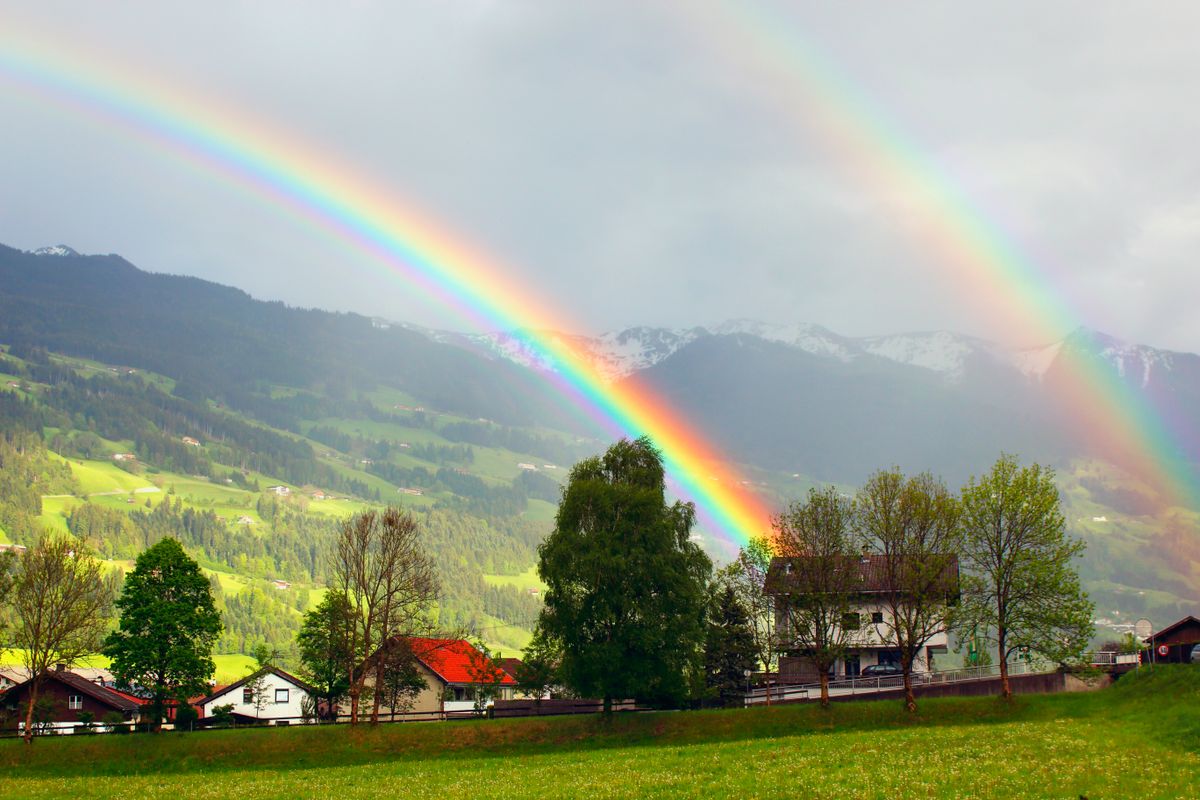
Fun Facts About Rainbows: 25 Surprising Things Worth Knowing
Rainbows are full circles, no two people see the same one, and the longest on record lasted nearly 9 hours. Here are 25 fun facts about rainbows — the science, the records, and the surprises.
Why Is a Rainbow Curved? The Full Circle Rainbow Explained
Every rainbow is a full circle, not just an arc. The horizon hides the lower half. Here's the physics of why rainbows are circular and how to see the whole ring.