The science of light and optics, taught from first principles.
A growing library on physics optics — ray tracing, wave behavior, quantum phenomena, and the instruments that bend light to our will. Written for students, teachers, and the merely curious.
How optics is explained here
First-principles
Every article derives the math from scratch — no hand-waving past the interesting bits.
Ray + wave + photon
Three lenses on the same phenomena. Pick the level of abstraction you need.
Numerical worked examples
Calculations you can plug into your own derivations or test in the lab.
Diagrams drawn from the physics
Every figure is constructed from the equation it illustrates, not sketched to look about right.
The latest deep dive.
The most recent long-form treatment from our archive of optics.
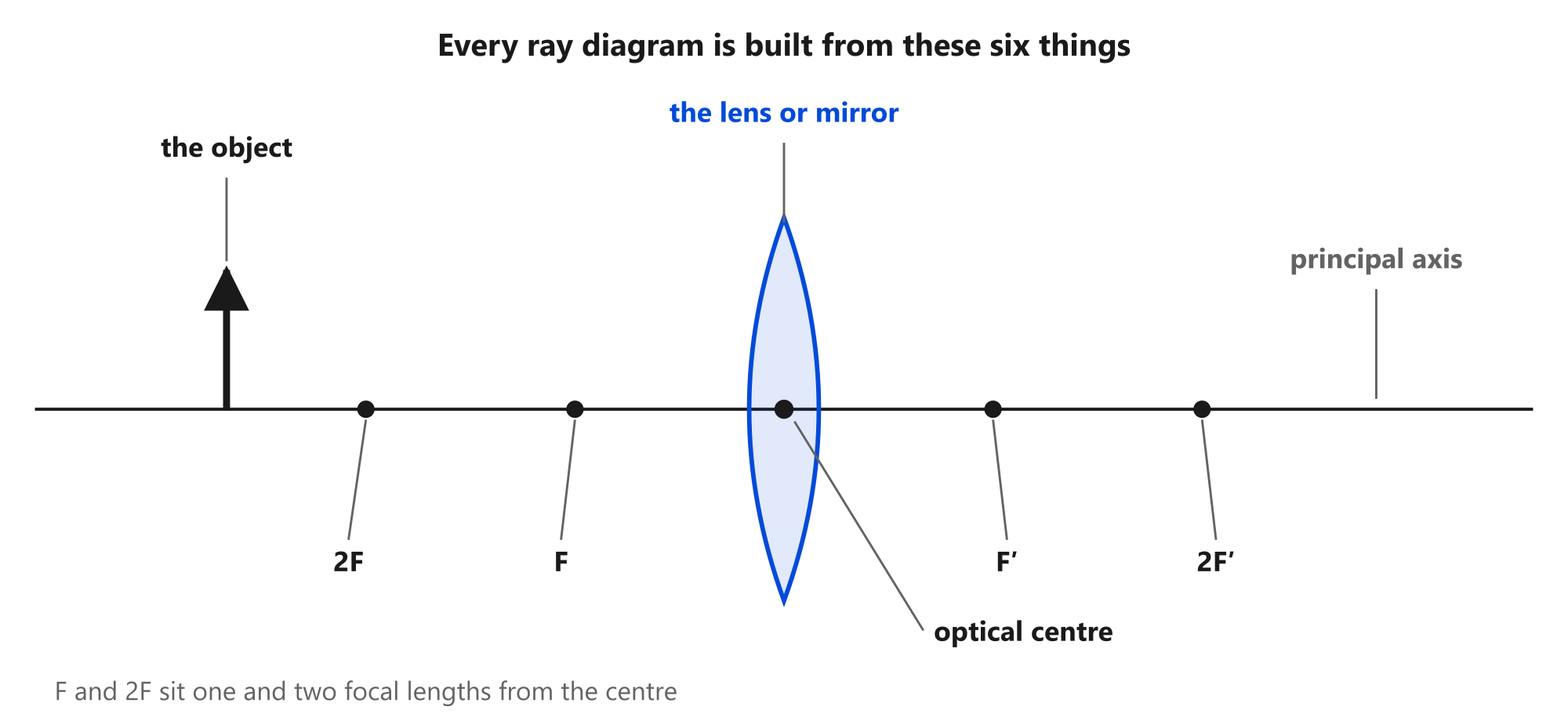
How to Draw a Ray Diagram (Mirrors, Lenses and Refraction)
A ray diagram traces the path light takes through an optical system so you can find where the image forms, how big it is, and which way up. The method is the same whether you are drawing a concave mirror, a convex lens or a ray crossing into glass: set up the axis and the focal points, send in two rays whose behaviour you already know, and mark where they cross. Here is that method, with a worked diagram for each type of optic.
Explore by category.
Every article is filed under a topic. Pick a category to dive into the science of light at the level you need.
What we've published lately.
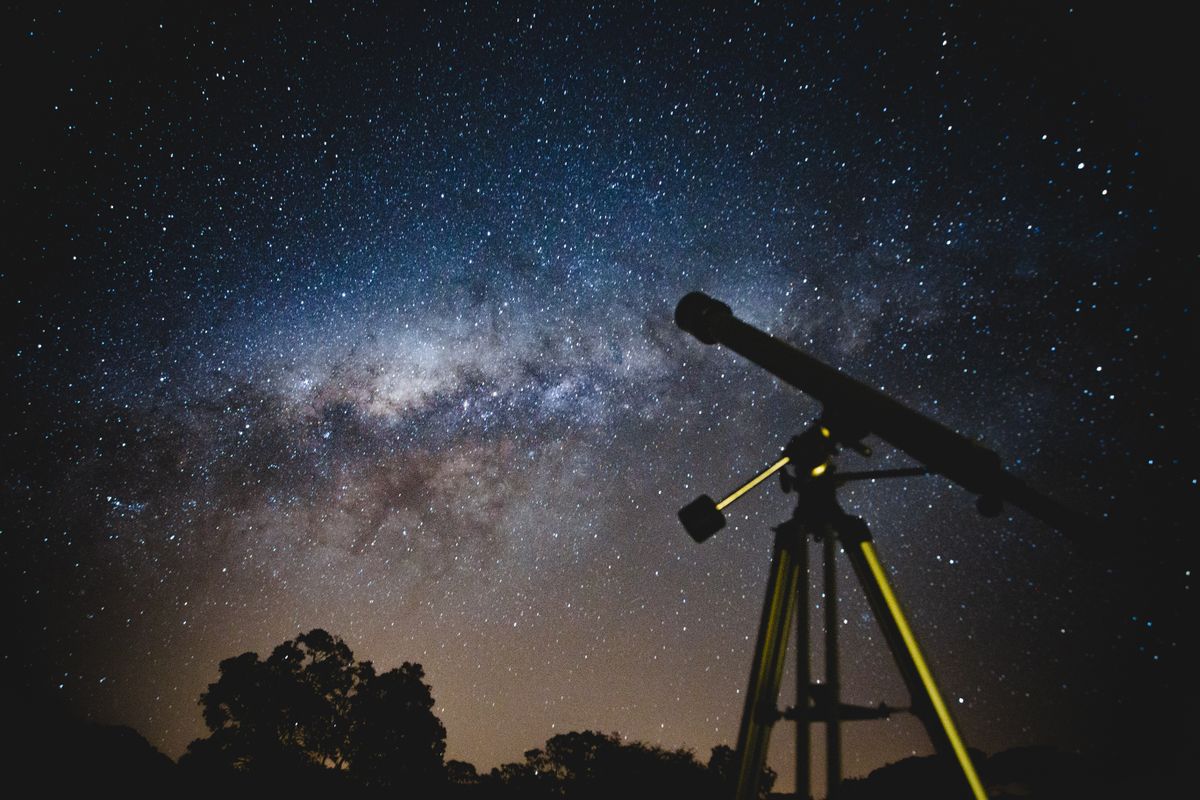
What Is the Opposite of a Telescope? 5 Surprising Facts
The opposite of a telescope depends on which meaning you use. As an optical instrument, the opposite of a telescope is a microscope — one makes distant things appear near, the other makes tiny things appear large. As a verb meaning to compress, the opposite is expand, extend, or unfold. This guide covers all the meanings, the physics behind the opposites, and fun trivia about these remarkable instruments.
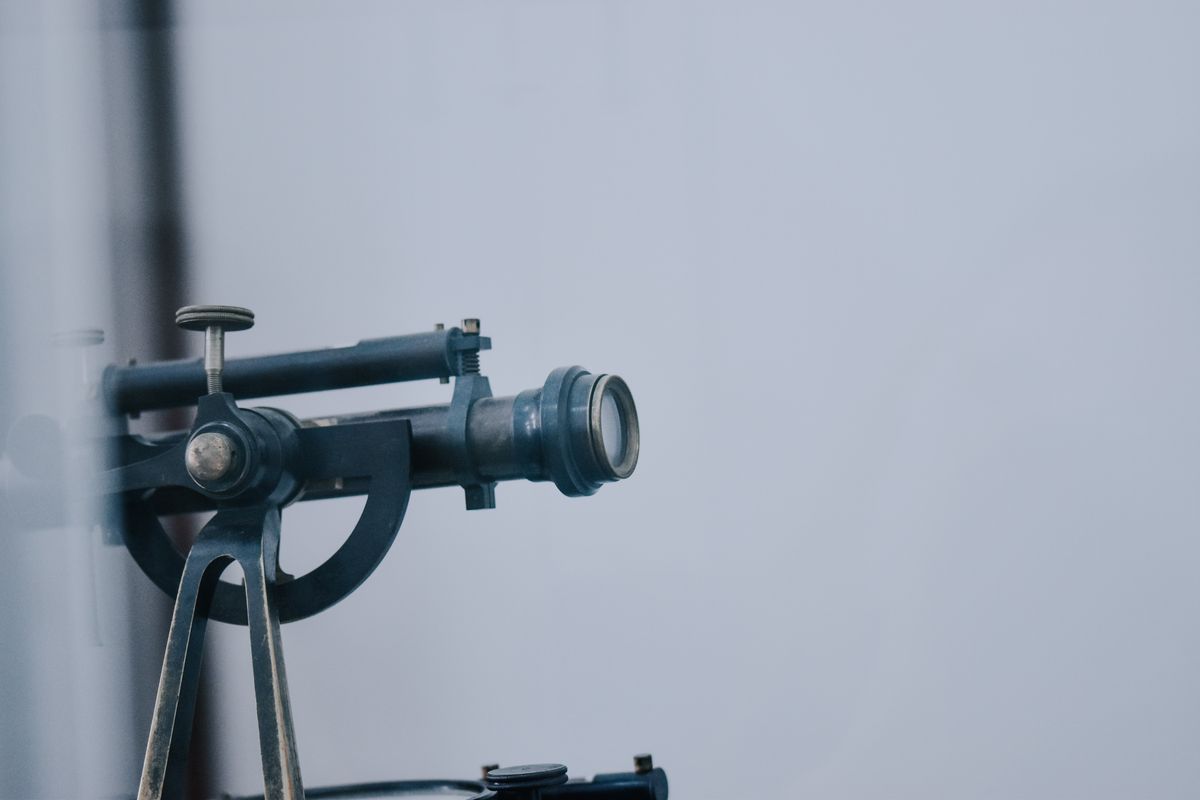
Essential Optical Instruments: 7 Powerful Types & Examples
Optical instruments are devices that process light waves to either enhance an image for viewing or analyse light to determine its characteristic properties. Common examples include telescopes, microscopes, cameras, binoculars, periscopes, spectrometers, photometers, and refractometers. This guide covers the two main categories — image enhancement instruments and optical measuring instruments — with how each works and where you see them.
Why Stars Twinkle But Planets Don't: 4 Simple Reasons
Stars twinkle because they are point sources — their light passes through turbulent atmosphere and scatters. Planets appear as tiny discs, so the fluctuations average out. Here are 4 simple reasons why stars twinkle but planets don't.
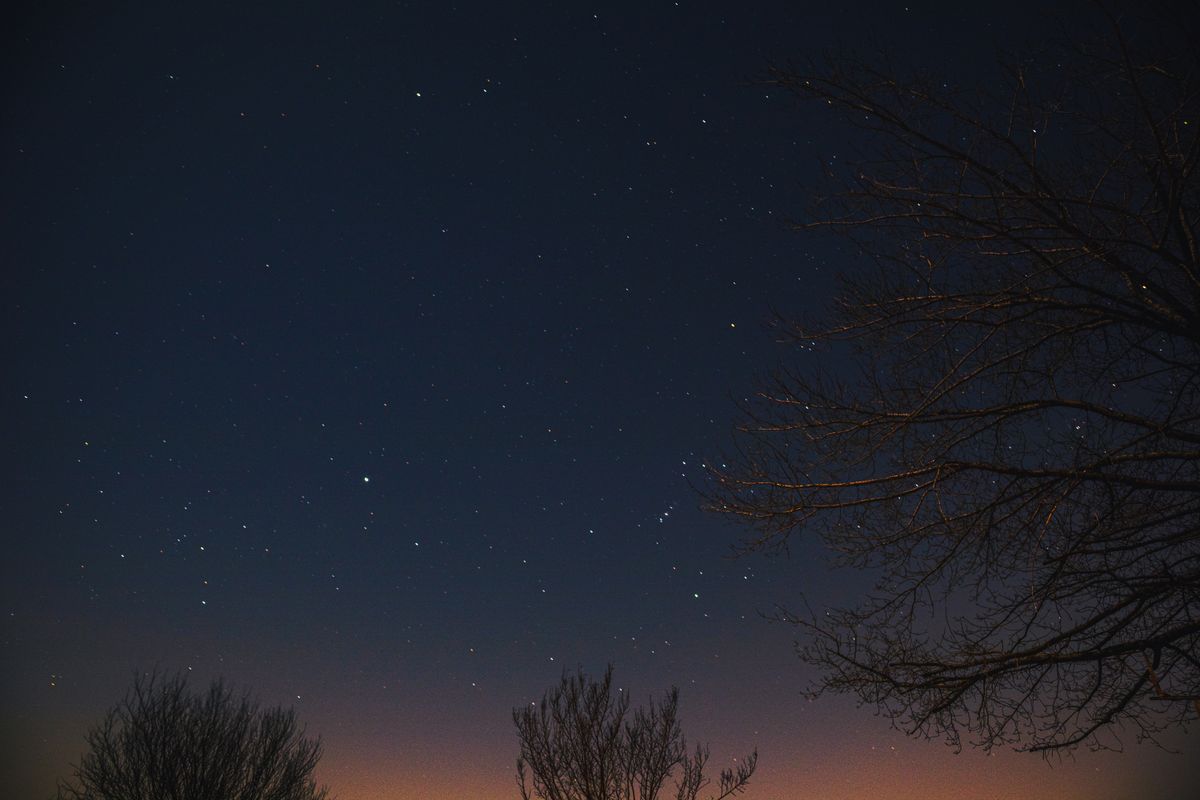
Why Do Stars Twinkle? (Atmospheric Scintillation Explained)
Stars twinkle because their light passes through Earth's turbulent atmosphere, which bends and distorts the beam before it reaches your eyes. The scientific name is atmospheric scintillation, and it explains why some stars sparkle more than others — and why planets stay steady.
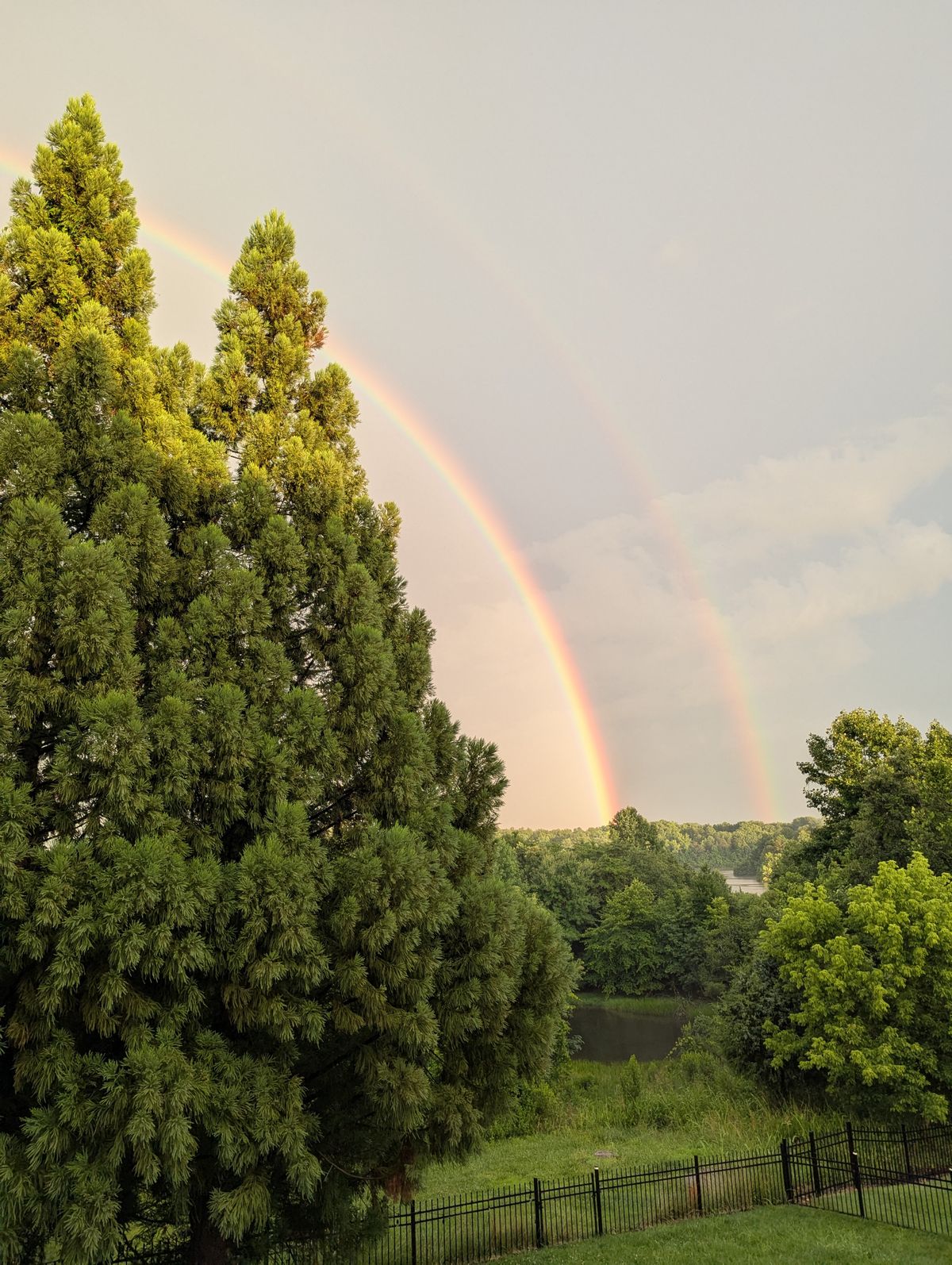
What Causes a Double Rainbow? 3 Stunning Physics Facts
What causes a double rainbow? Two internal reflections inside raindrops create a second, fainter arc above the primary bow, with colours reversed. This guide covers the physics, angles, why the secondary bow is dimmer, and the dark band between them.
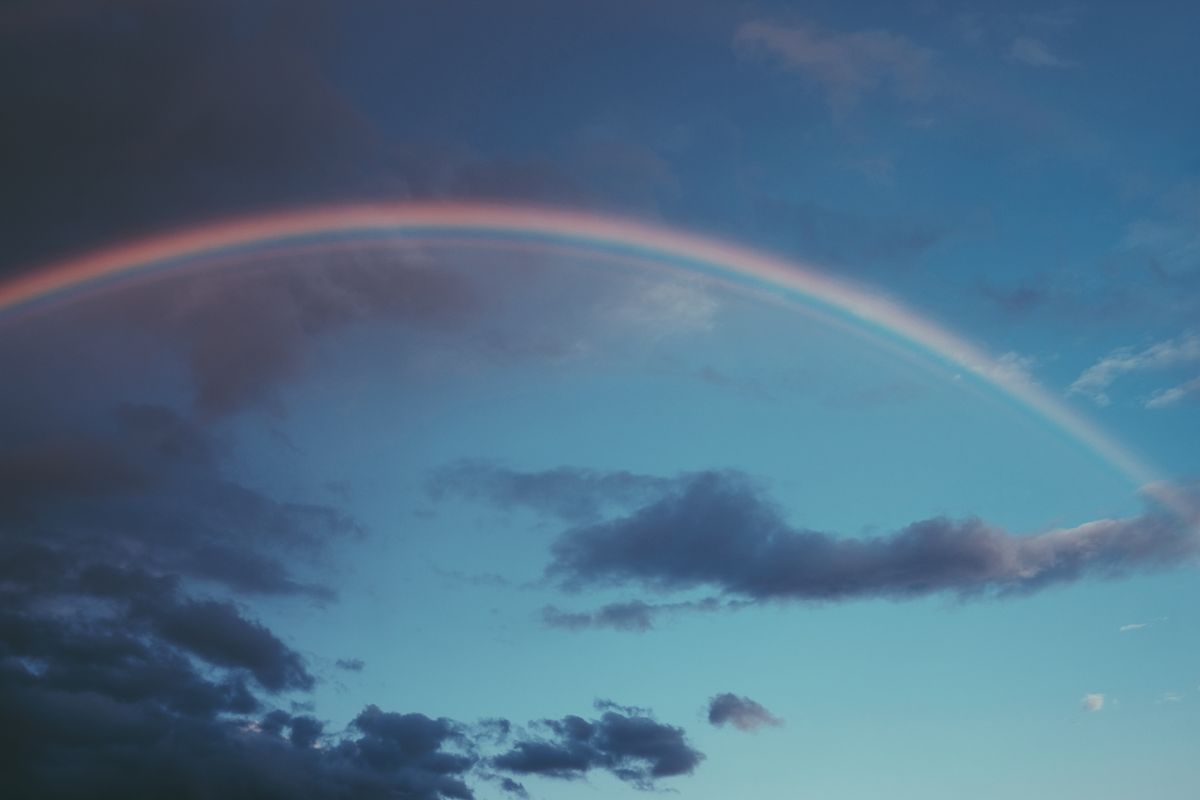
7 Rare Types of Rainbows You Must See (Supernumerary & More)
Most people know the standard rainbow, but nature produces far rarer types — supernumerary, twinned, triple, multiple, fogbows and more. This guide covers the rare types of rainbows, what causes each one, and where to spot them.