Polarization
14 articles on polarization, sorted newest first.

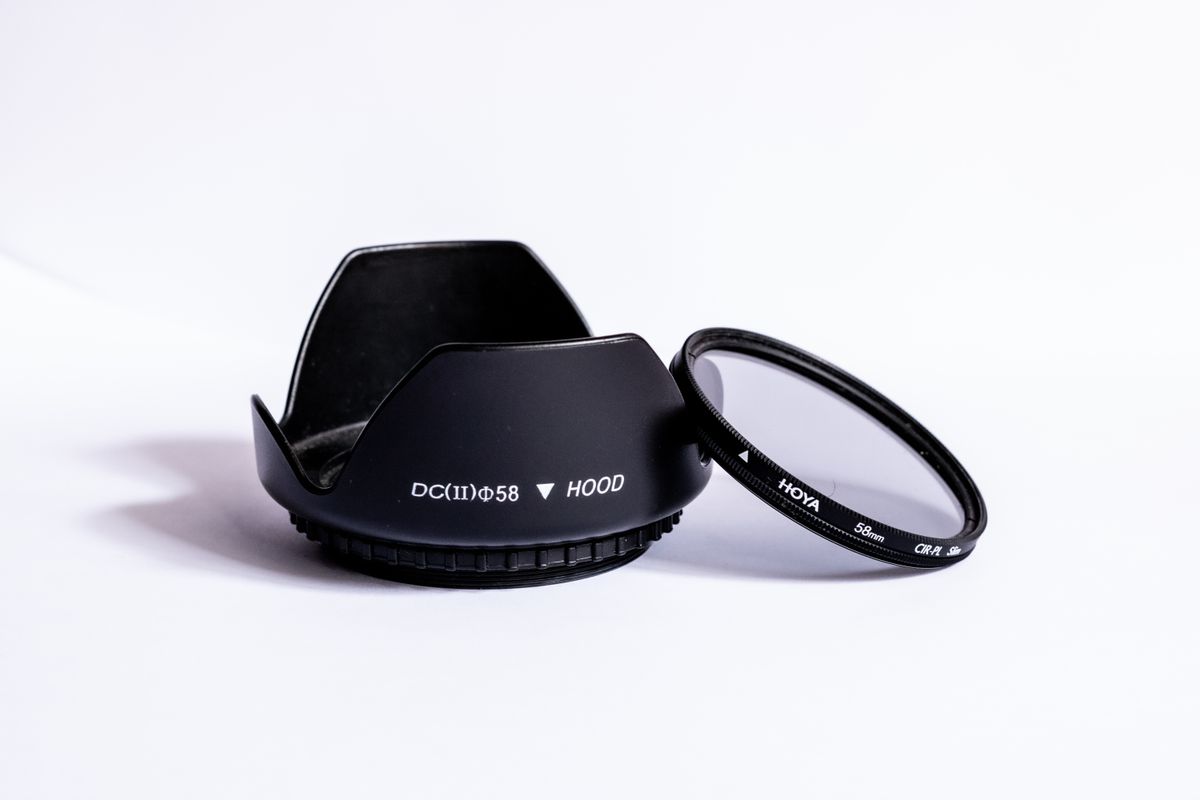
What Is a CPL Filter? 5 Essential Photography Tips
A CPL filter (circular polariser) is a glass attachment that screws onto your camera lens to reduce glare, darken blue skies, and make colours pop. It works by blocking polarised light — the same principle as polarised sunglasses. For landscape, travel, and outdoor photographers, it is one of the most valuable accessories you can own. This guide covers how CPL filters work, the 5 essential tips for using them, when to use one, and what to look for when buying.
Polarizer vs ND Filter: 5 Essential Differences Compared
Not sure whether you need an ND filter or a polarizer? We explain how each one works with simple analogies, compare their effects across 5 key differences, and give you a clear decision framework for common photography scenarios — landscapes, waterfalls, architecture, and portraits.

Polarized Film - 5 Best Uses, Types & Where to Buy
Polarized film is a thin optical sheet that blocks light waves vibrating in a specific direction. It is used in LCD screen repair, 3D glasses, science experiments, polarising filters, and glare reduction. This guide covers what it is, how it works, 5 practical uses, types available, and where to buy polarized film sheets online.
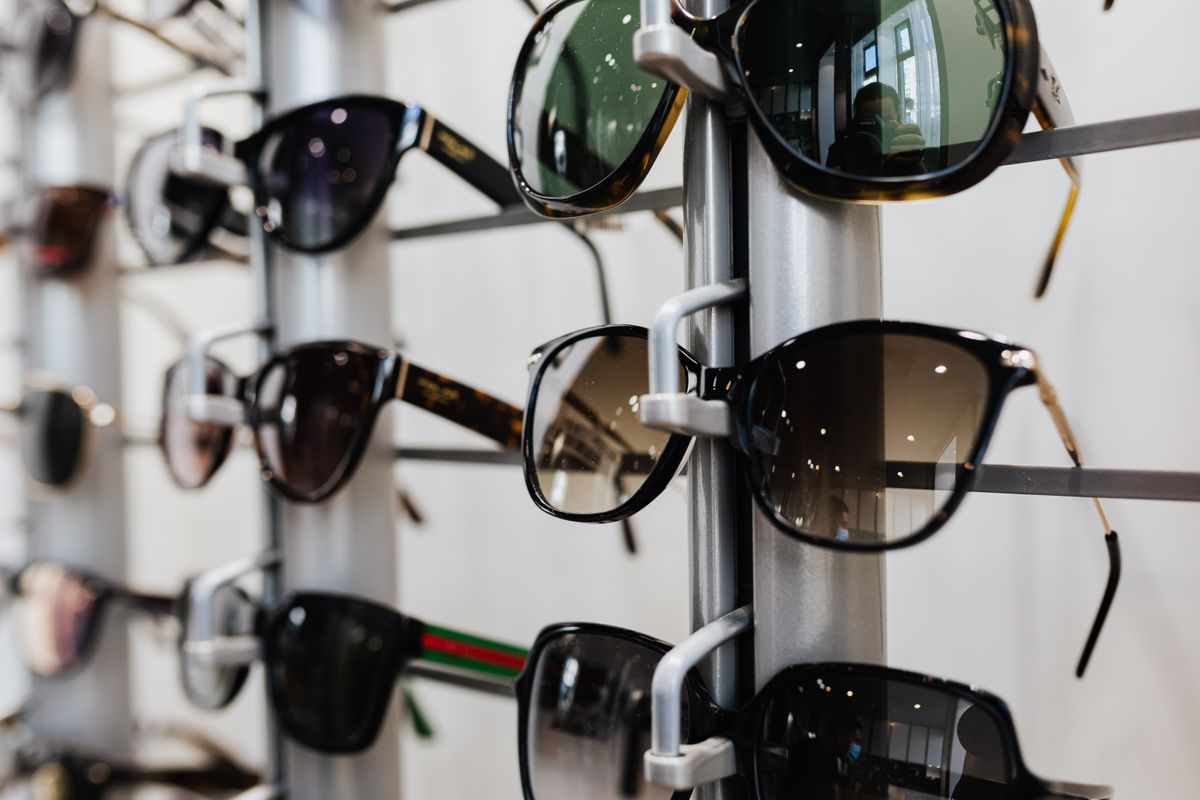
How Do Polarized Sunglasses Work? 5 Easy Facts & Buying Tips
Polarized sunglasses work by blocking horizontally reflected light — the glare that bounces off roads, water, and snow. A chemical filter inside the lens acts like a microscopic picket fence, allowing only vertically oriented light waves to pass through. This cuts glare, reduces eye strain, and improves contrast. This guide covers the science, the 5 easy facts, when to wear them, what to look for when buying, and the common mistakes to avoid.
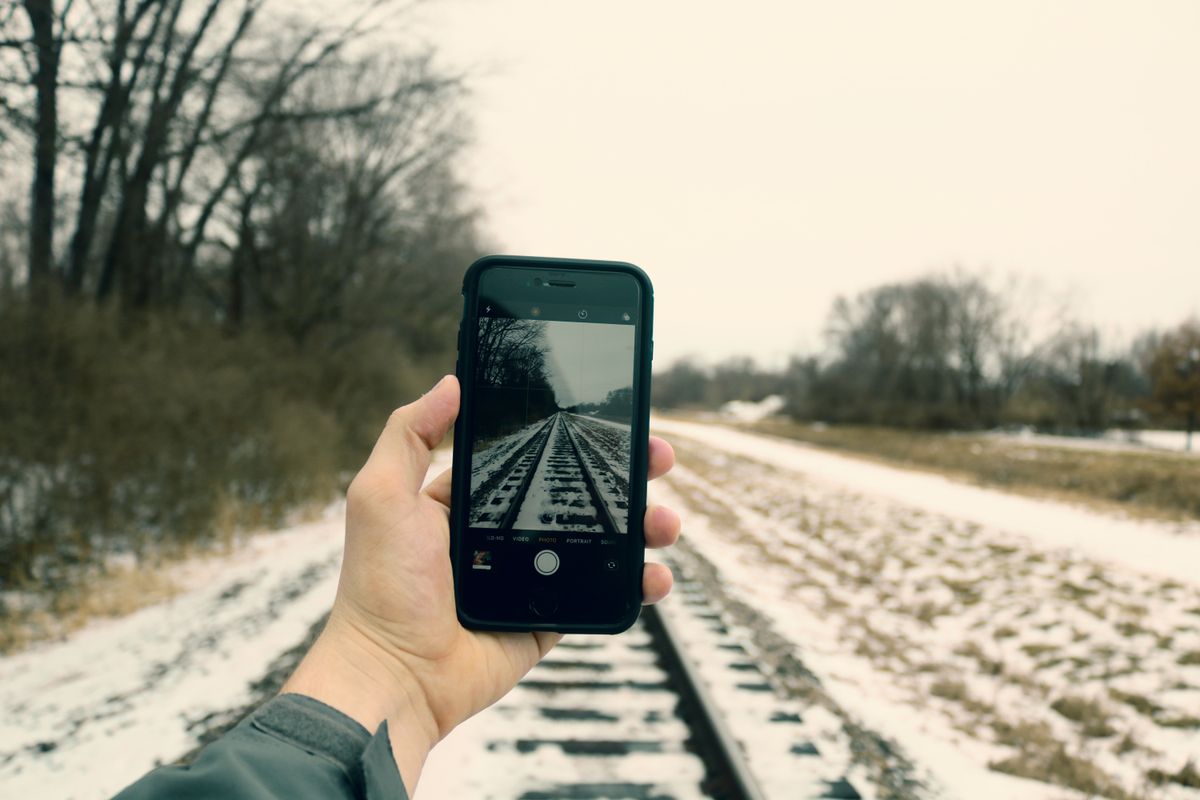
Best Polarizing Filter for iPhone — 3 Top Picks & Guide
A polarizing filter for iPhone cuts glare from water and glass, deepens blue skies, and boosts colour saturation — all at capture. Unlike DSLR filters, phone CPLs use clip-on, magnetic, or case-based mounts. This guide covers how they work, 3 top picks (Freewell, Moment, K&F Concept), mounting types, when to use one, and buying tips.
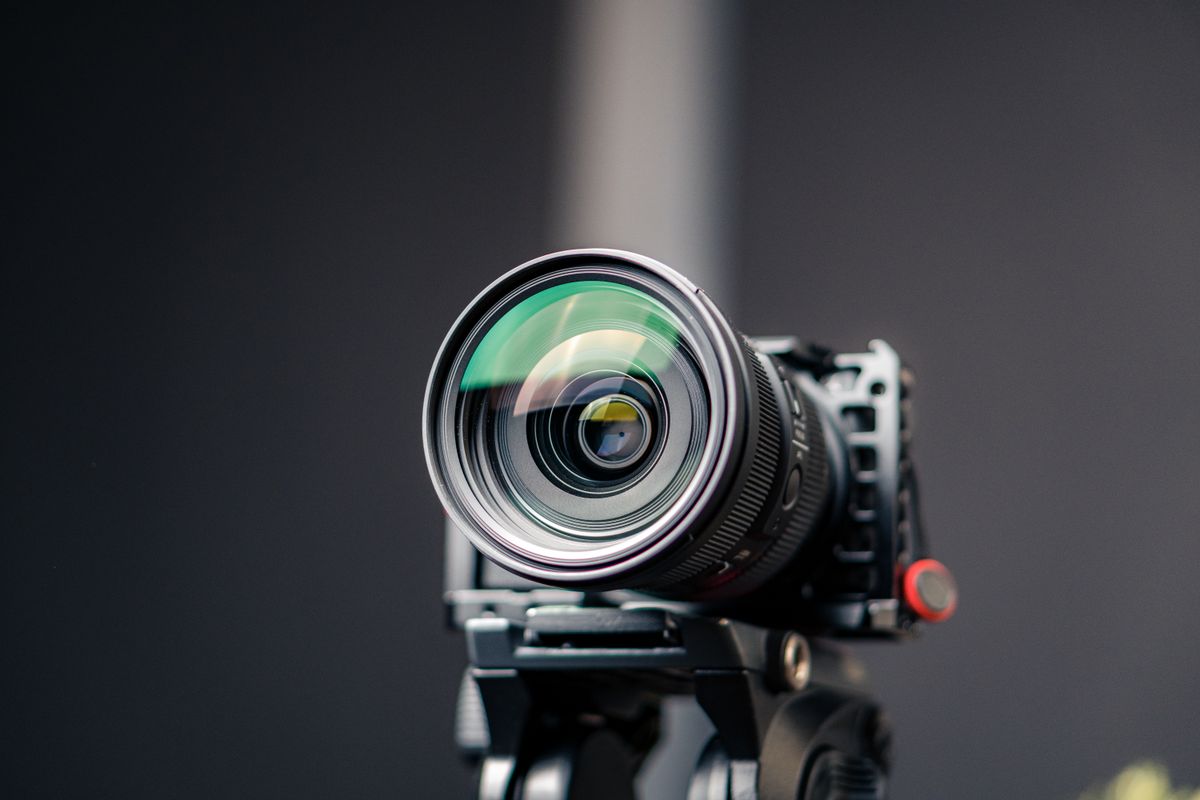
Circular Polarizer Filter: How It Works & 5 Best Uses
A circular polarizer filter is a glass optical filter that screws onto your camera lens to cut glare, deepen skies, and saturate colours. This guide explains the optical construction inside a CPL filter — the polarising film, quarter-wave plate, multi-coatings, and glass types — with 5 best uses and what separates a £30 filter from a £150 one.

7 Best Polarizing Filters in 2026 — Top Picks Tested
The best polarizing filters cut glare, deepen skies, and boost colour saturation in ways no software can replicate. We tested top CPL filters from Hoya, B+W, Tiffen, K&F Concept, Breakthrough Photography, NiSi, and Hoya Fusion to find the best circular polariser for every budget and camera system. This guide covers 7 top picks, a comparison table, a how-to-choose section, and buying tips.
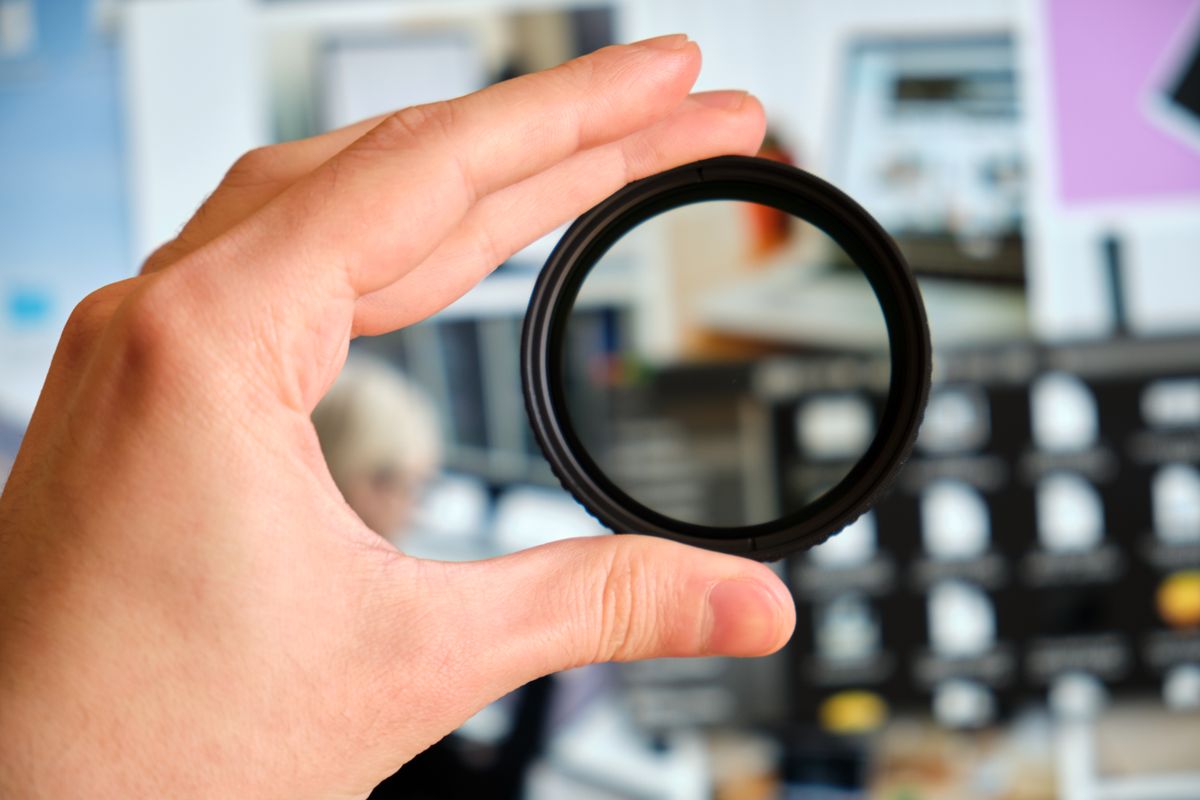
What Is Polarized Light? 5 Easy Examples & How It Works
Polarized light is light in which the electric field vibrates in a single direction rather than randomly in all directions. Unpolarized light from the sun or a lamp vibrates in every plane perpendicular to its travel. Polarized light is restricted to one plane. This happens naturally when light reflects off water or glass, and artificially when it passes through a polarising filter. This guide covers what polarization is, how it works, the three types, and where you see it every day.
What Is Polarization in Chemistry? 5 Essential Differences
Polarization in chemistry means the separation of electric charge within a molecule, creating a dipole with a positive end and a negative end. This is fundamentally different from polarisation in physics, which describes the direction an electromagnetic wave oscillates. In chemistry, polarity determines solubility, boiling points, and intermolecular forces. This guide explains chemical polarity, bond polarity, molecular polarity, electronegativity, dipole moments, and the essential differences between chemistry and physics polarisation.

Unpolarized Light: 5 Essential Facts & Differences
Unpolarized light is light whose electric field vibrates randomly in all directions perpendicular to its path. Most natural and artificial light — sunlight, incandescent bulbs, LED lamps, candles — is unpolarized. The key difference from polarized light is that unpolarized light has no preferred direction of vibration. This guide covers what unpolarized light is, why most light sources produce it, how it compares to polarized light, and why it cannot form interference patterns.
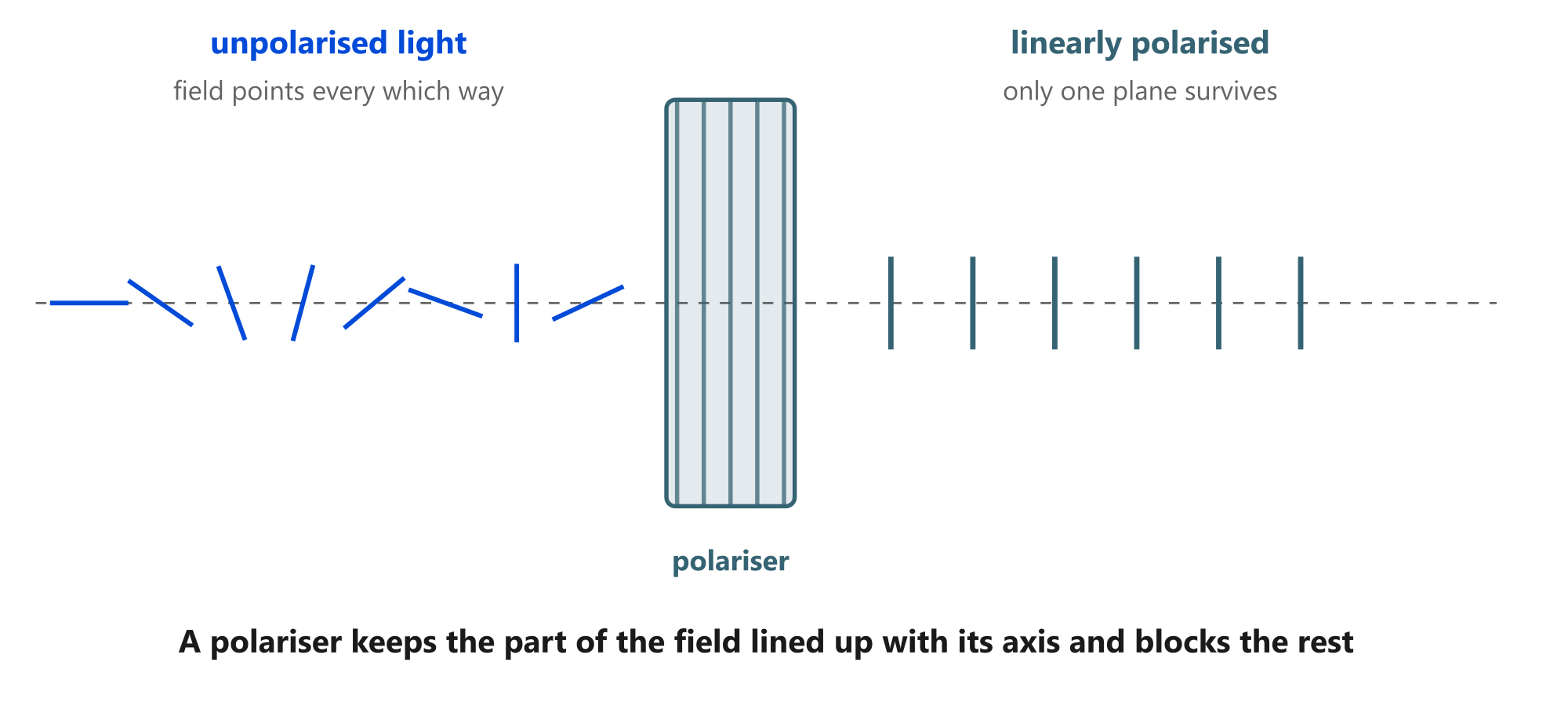
3 Key Types of Polarization: Linear, Circular & Elliptical
The three types of polarisation — linear, circular, and elliptical — describe how the electric field of a light wave behaves as it travels. Linear polarisation has the field oscillating in a single fixed plane. Circular polarisation has it rotating in a circle. Elliptical polarisation traces an ellipse and is the most general form. This guide covers each type in detail with analogies, phase relationships, detection methods, waveplate conversion, and everyday applications.
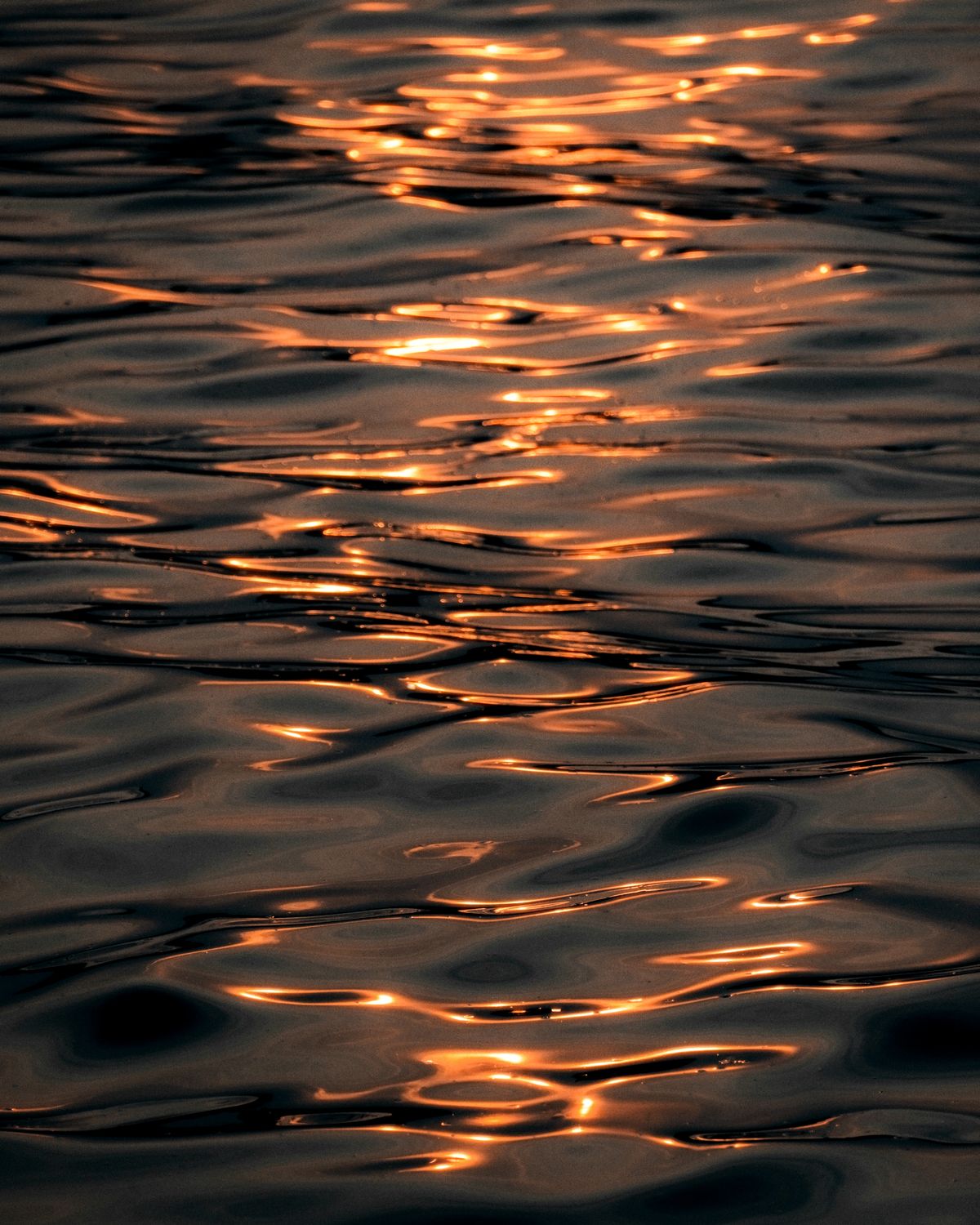
S and P Polarization: 5 Easy Facts & Fresnel Equations Guide
S and p polarization describe two perpendicular polarization states relative to the plane of incidence. S-polarization (from the German 'senkrecht,' meaning perpendicular) has the electric field perpendicular to the plane of incidence. P-polarization has the electric field parallel to it. This distinction is essential for understanding Fresnel equations, Brewster's angle, and why polarized sunglasses block glare from water and roads.