The full archive.
Page 5 of 13 — articles on the physics of light, sorted newest first.
Types of Lasers: 7 Essential Gas, Solid-State & Diode Types
Lasers fall into 7 main types based on their gain medium: gas lasers (HeNe, CO2), solid-state (ruby, Nd:YAG), semiconductor diodes, dye lasers, fibre lasers, chemical lasers, and excimer lasers. This guide explains how each type works, what it is used for, and how to choose the right one for your application.
Laser Wavelength: 6 Key Facts on What Determines Color
A laser's wavelength is determined by its gain medium — the specific atoms or molecules that produce the light. This guide explains how energy levels fix the wavelength, how wavelength maps to colour, and why different lasers produce different colours.
Laser or Lazer — 5 Quick Facts for Correct Spelling
Laser is the correct spelling. Lazer is a common phonetic misspelling. The word LASER is an acronym for Light Amplification by Stimulated Emission of Radiation — and that 'S' comes from 'Stimulated'. This guide covers the origin of the word, why people misspell it, how to remember the correct spelling, and why it matters in professional writing.
Laser Light Explained: 5 Powerful Facts on How Lasers Work
Laser light is different from every other kind of light on Earth. It is monochromatic, coherent, and collimated — properties no light bulb or the Sun can match. This pillar guide covers what laser light is, how lasers work through stimulated emission, the 3 essential components every laser needs, the 5 properties that make laser light unique, and a brief history of the first laser.
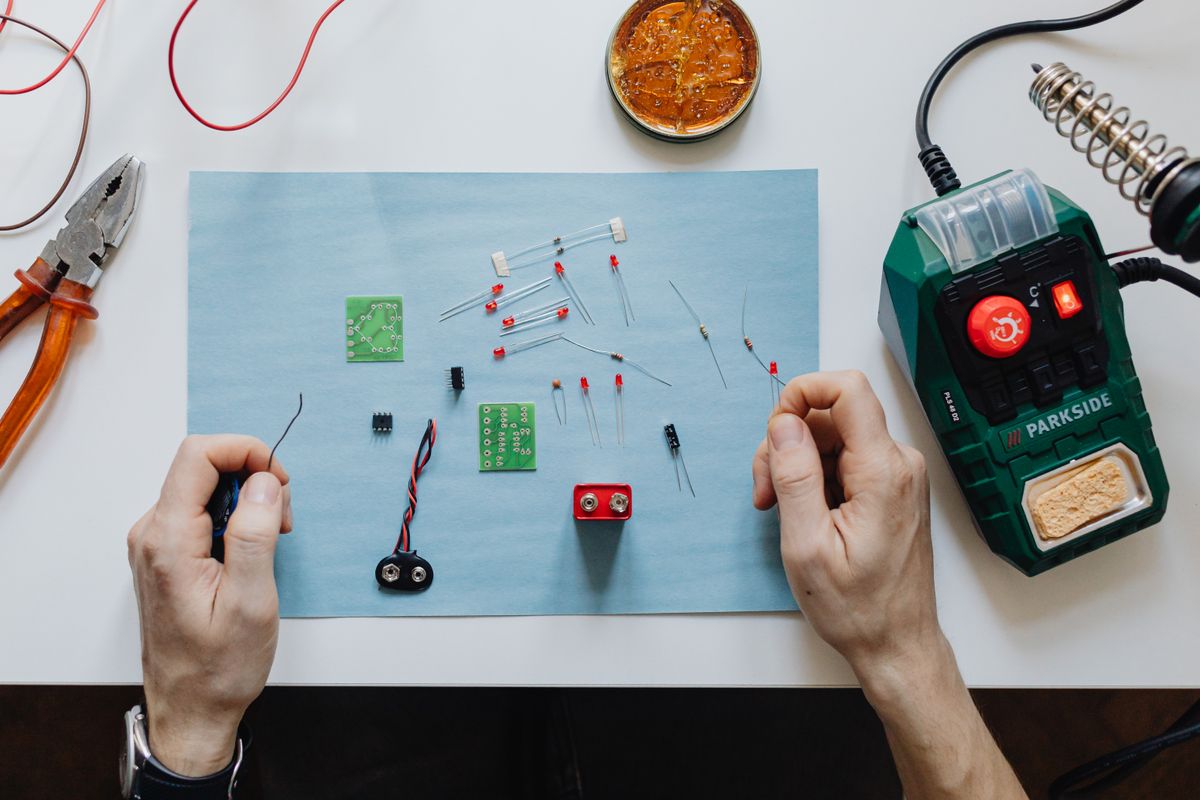
How Do You Make a Laser? 7-Step Simple DIY & Pointer Guide
You can make a working laser from a DVD burner's laser diode in about an hour with basic tools. This guide covers the full process: extracting the diode from a discarded drive, building a simple driver circuit, housing it in a heatsink, and the physics of how laser pointers produce that intense red or green beam. Includes critical safety warnings.
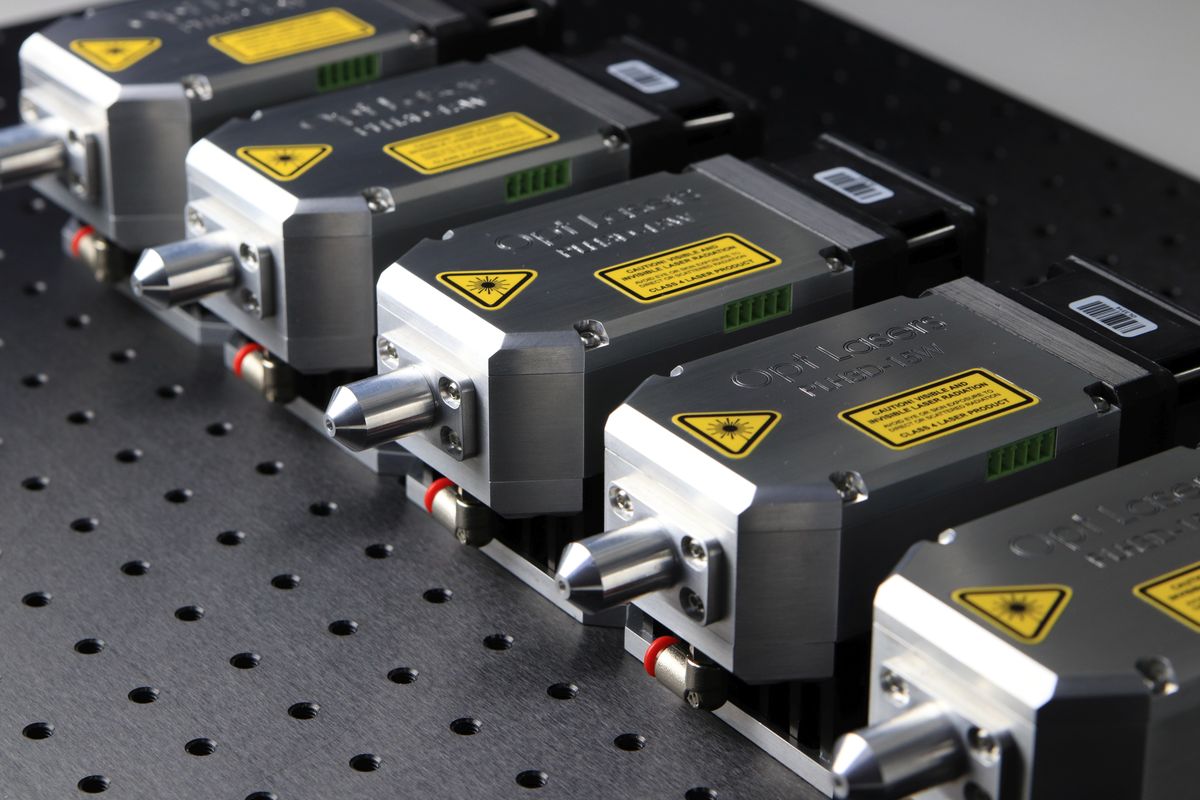
Construction of a Laser: 5 Key Components & Build Guide
Every laser is built from five key parts: the gain medium, pump source, optical cavity, cooling system, and power supply. This guide explains how these components work together, how construction differs between gas, solid-state, and diode lasers, and the step-by-step assembly of a typical laser.
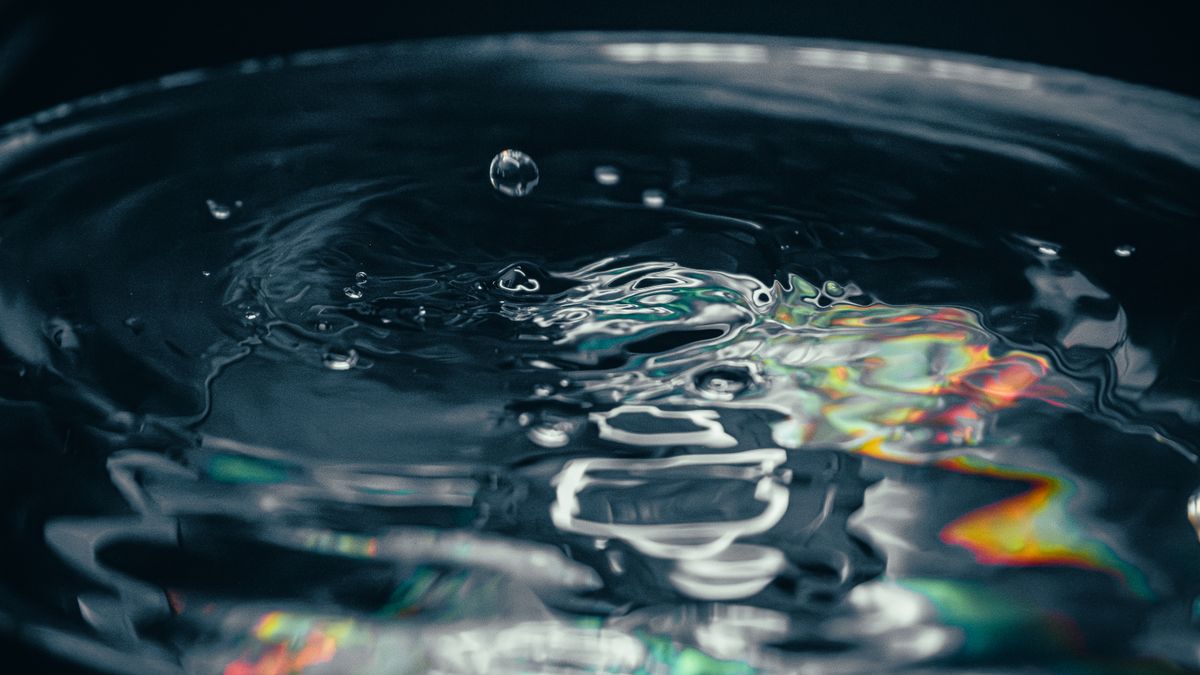
What Is Interference? 5 Easy Types & Physics Examples
Interference is what happens when two or more waves meet and combine. Depending on how their peaks and troughs line up, they either reinforce each other (constructive interference) or cancel each other out (destructive interference). This is not a special effect — it is a fundamental property of all waves, from the ripples in a pond to the laser light in a fibre-optic cable. Here is what interference is, the two types, and 5 real-world examples.
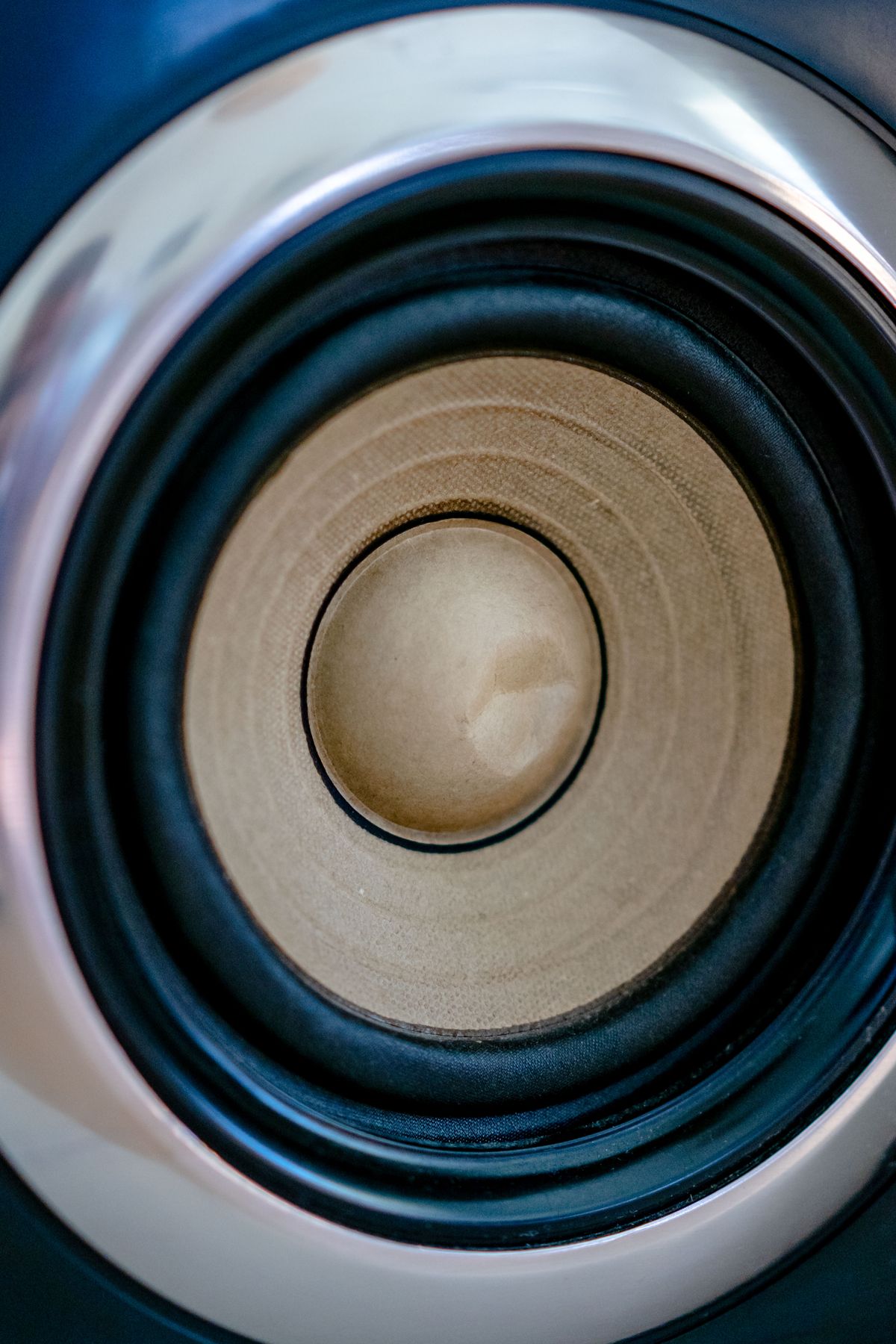
Sound Wave Interference: 5 Easy Beats & Facts
Sound wave interference happens when two or more sound waves overlap and combine. Depending on how the waves line up, the sound gets louder (constructive interference), quieter or silent (destructive interference), or produces a throbbing effect called beats. This guide covers how sound wave interference works, the beat frequency formula, and how noise-cancelling headphones put destructive interference to practical use.
Single Slit vs Double Slit: 5 Essential Pattern Differences
A single slit produces a diffraction pattern with a broad, bright central maximum and rapidly dimming side fringes that are unequally spaced. A double slit produces an interference pattern with many evenly spaced, equally bright fringes. The central maximum in single-slit diffraction is roughly twice as wide as in double-slit interference. This guide compares the two experimental setups, shows you how to identify each pattern at a glance, and explains the surprising infinite slit paradox.

Interference Patterns: 5 Easy Types & Fringe Examples
An interference pattern is a stable arrangement of bright and dark bands (or loud and quiet regions) created when two or more waves overlap. The pattern is produced by alternating constructive and destructive interference depending on the phase relationship between the waves at each point. Interference patterns appear wherever coherent waves meet — in Young's double-slit experiment, in soap bubbles, in Newton's rings, and in the output of interferometers. Here are the 5 main types and how to interpret them.
Double Slit Experiment Quantum Mechanics: 5 Easy Facts
The double slit experiment in quantum mechanics reveals that single particles like photons and electrons can behave as waves and interfere with themselves. When we send particles one at a time through two slits, they build an interference pattern over time — as if each particle went through both slits simultaneously. This guide explains wave-particle duality, the observer effect, delayed choice experiments, and what the double slit tells us about the nature of reality.
Double Slit Explanation: 4 Easy Steps to Understanding
The double slit experiment passes coherent light through two narrow slits to produce an interference pattern of alternating bright and dark fringes on a screen. This pattern, first observed by Thomas Young in 1801, proves that light behaves as a wave. The fringe spacing is given by Δy = λD/d, where λ is the wavelength, D is the distance to the screen, and d is the slit separation. Here is how the experiment works, what the equation means, and how you can try it yourself.