The full archive.
Page 3 of 13 — articles on the physics of light, sorted newest first.
Microscope vs Telescope: 6 Powerful Differences
A telescope and a microscope look similar — both use an objective lens and an eyepiece to magnify — but they solve opposite problems. A microscope magnifies tiny objects placed right next to it; a telescope magnifies enormous objects that are extremely far away. This difference in object distance changes everything: the focal lengths, the lens sizes, the magnification formulas, and the resolution limits.
How Does an Electron Microscope Work? 7 Powerful Facts
An electron microscope uses a focused beam of electrons instead of light to image specimens at up to 50 million× magnification. This guide covers how electron microscopes work, the difference between SEM and TEM, sample preparation, and real-world applications in science and industry.
How Does a Microscope Work? 5 Powerful Simple Steps
A microscope works by using two lenses — the objective and the eyepiece — to magnify tiny objects. Light passes through the specimen, the objective lens creates a magnified real image, and the eyepiece further magnifies it for your eye. This pillar guide covers how does a microscope work from first principles, the function of each part, and how magnification and resolution differ.
How Does a Light Microscope Work? 5 Simple Optical Steps
If you are wondering how does a light microscope work, the answer is straightforward. A light microscope passes visible light through a thin specimen and uses two glass lenses — an objective and an eyepiece — to magnify the image. The objective creates a magnified real image inside the tube, and the eyepiece magnifies that image for your eye. This guide covers the optical path from light source to eye, how magnification and resolution differ, the main types of optical microscopes, and how they compare with electron microscopes.

How Does a Confocal Microscope Work? 6 Simple Facts
How does a confocal microscope work? It works by focusing a laser beam to a single point in the sample, collecting the light that returns from that point through a pinhole that blocks out-of-focus light, and scanning point by point to build a complete image. This gives it the ability to produce sharp optical sections through thick specimens — something no conventional light microscope can do.
How Is Fiber Optic Cable Made? 7 Proven Manufacturing Steps
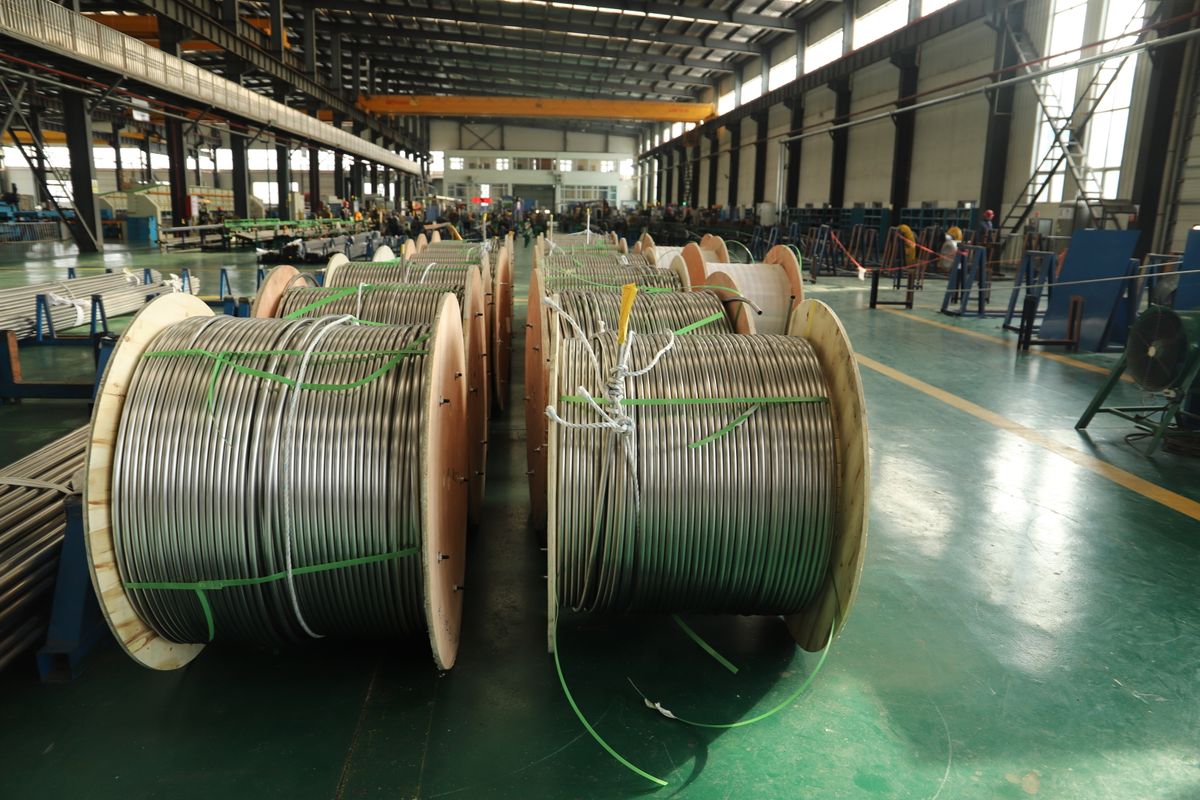
How is fiber optic cable made? It starts with ultra-pure silica glass, formed into a preform through chemical vapour deposition, drawn into a hair-thin fibre on a towering draw machine, coated in protective polymer, and finally assembled into a finished cable with strength members and an outer jacket. Here is the full 7-step process from start to finish.
Fiber Optic Network: 5 Key Components & Infrastructure Guide
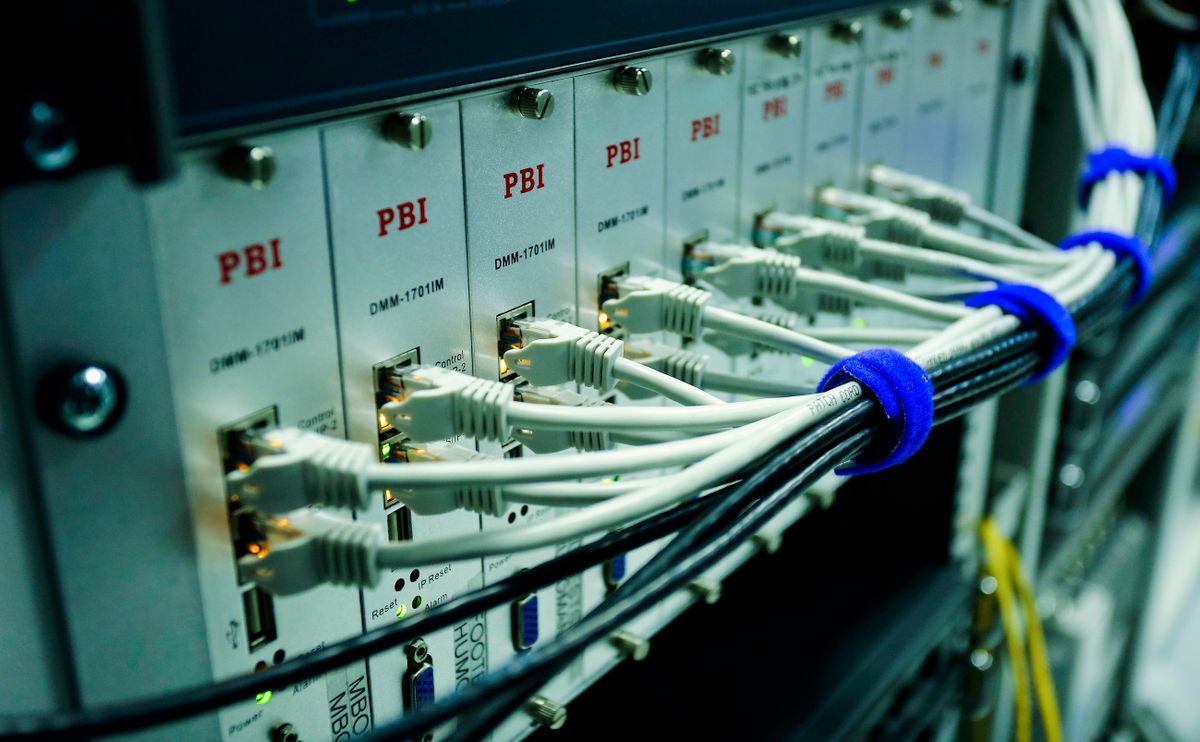
A fiber optic network transmits data as light through glass fibres, enabling speeds far beyond copper. This guide covers the 5 key components, network architectures from FTTH to submarine cables, and how the whole system fits together.

What Is a CPL Filter? 5 Essential Photography Tips
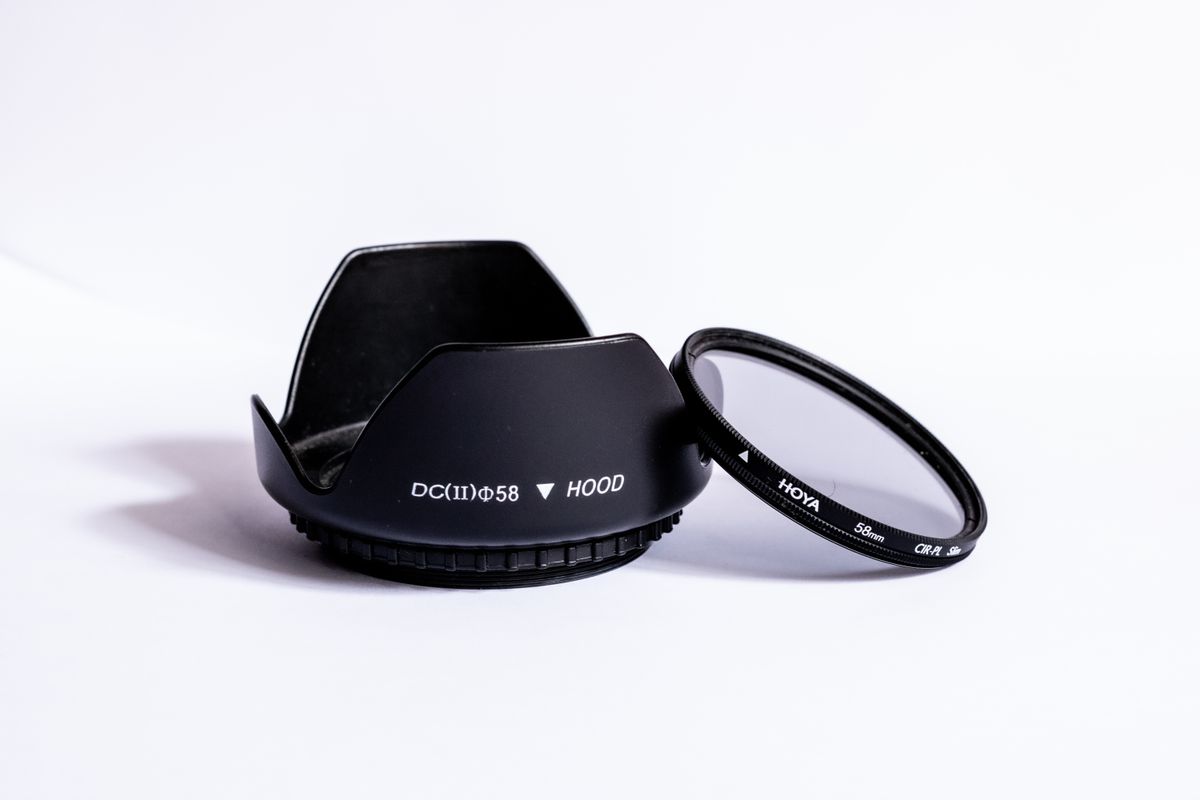
A CPL filter (circular polariser) is a glass attachment that screws onto your camera lens to reduce glare, darken blue skies, and make colours pop. It works by blocking polarised light — the same principle as polarised sunglasses. For landscape, travel, and outdoor photographers, it is one of the most valuable accessories you can own. This guide covers how CPL filters work, the 5 essential tips for using them, when to use one, and what to look for when buying.
Polarizer vs ND Filter: 5 Essential Differences Compared
Not sure whether you need an ND filter or a polarizer? We explain how each one works with simple analogies, compare their effects across 5 key differences, and give you a clear decision framework for common photography scenarios — landscapes, waterfalls, architecture, and portraits.

Polarized Film - 5 Best Uses, Types & Where to Buy
Polarized film is a thin optical sheet that blocks light waves vibrating in a specific direction. It is used in LCD screen repair, 3D glasses, science experiments, polarising filters, and glare reduction. This guide covers what it is, how it works, 5 practical uses, types available, and where to buy polarized film sheets online.
How Do Polarized Sunglasses Work? 5 Easy Facts & Buying Tips
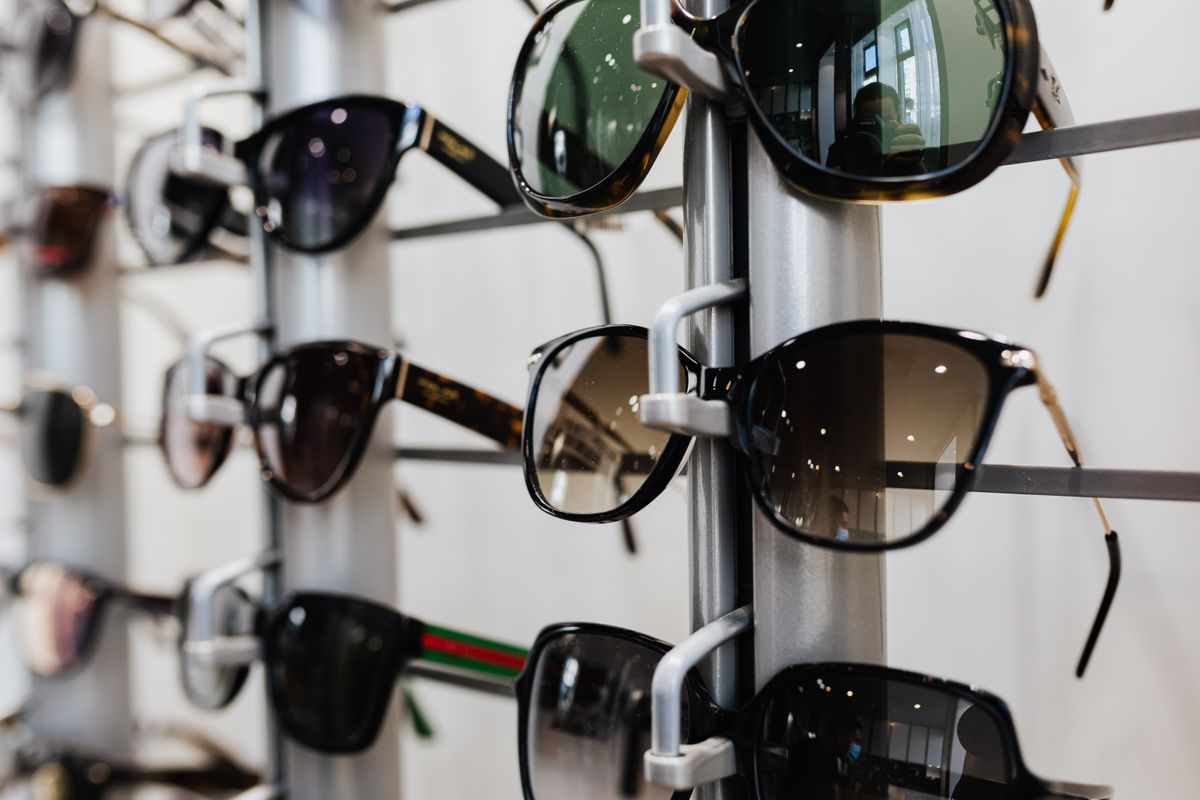
Polarized sunglasses work by blocking horizontally reflected light — the glare that bounces off roads, water, and snow. A chemical filter inside the lens acts like a microscopic picket fence, allowing only vertically oriented light waves to pass through. This cuts glare, reduces eye strain, and improves contrast. This guide covers the science, the 5 easy facts, when to wear them, what to look for when buying, and the common mistakes to avoid.
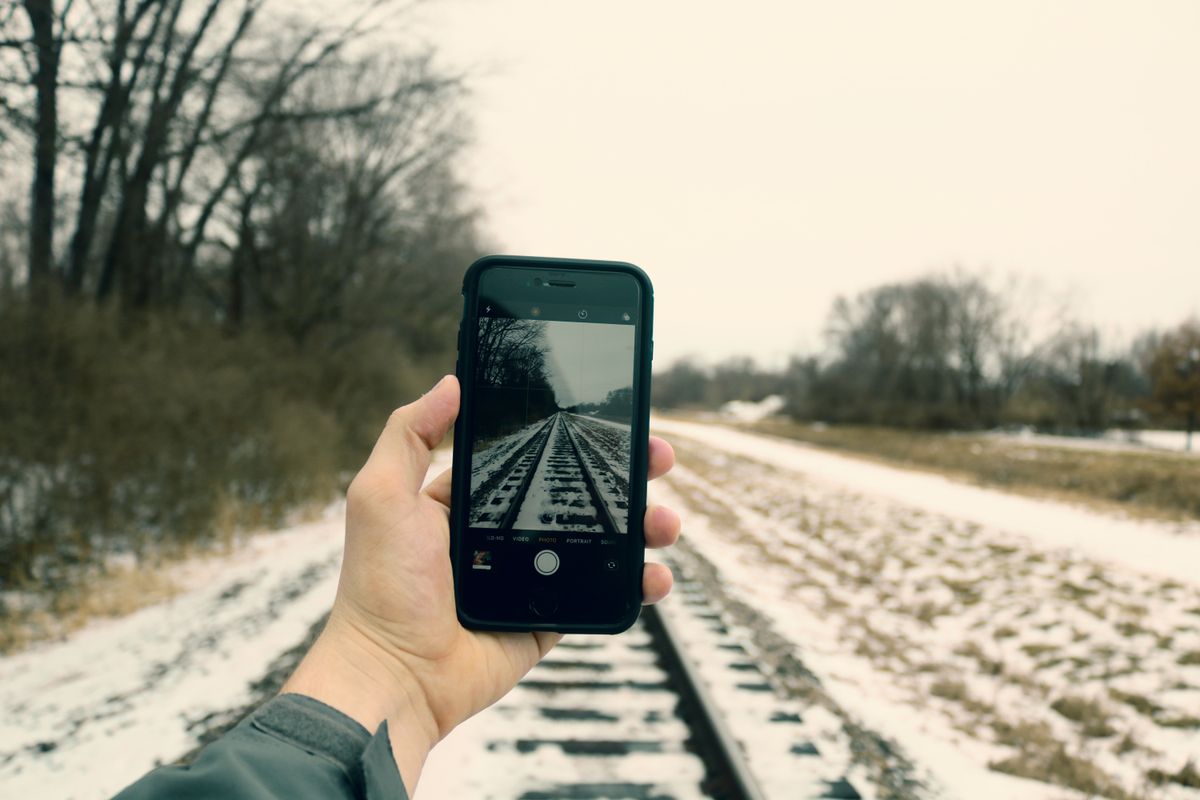
Best Polarizing Filter for iPhone — 3 Top Picks & Guide
A polarizing filter for iPhone cuts glare from water and glass, deepens blue skies, and boosts colour saturation — all at capture. Unlike DSLR filters, phone CPLs use clip-on, magnetic, or case-based mounts. This guide covers how they work, 3 top picks (Freewell, Moment, K&F Concept), mounting types, when to use one, and buying tips.