The full archive.
Page 11 of 13 — articles on the physics of light, sorted newest first.

When a Wave Bounces Off a Material: Easy Reflection Guide
Reflection is what happens when a wave bounces off a surface it cannot pass through. Light, sound, and water all reflect the same way — the angle of arrival equals the angle of departure.

What Is Reflective Light? Simple Guide to 3 Types
Reflective light is light that has bounced off a surface and reached your eyes. Unlike incident light (the light arriving at a surface), reflective light carries information about the surface it hit — its colour, texture, and smoothness. Here is what reflective light is, how it works, and the 3 types you see every day.
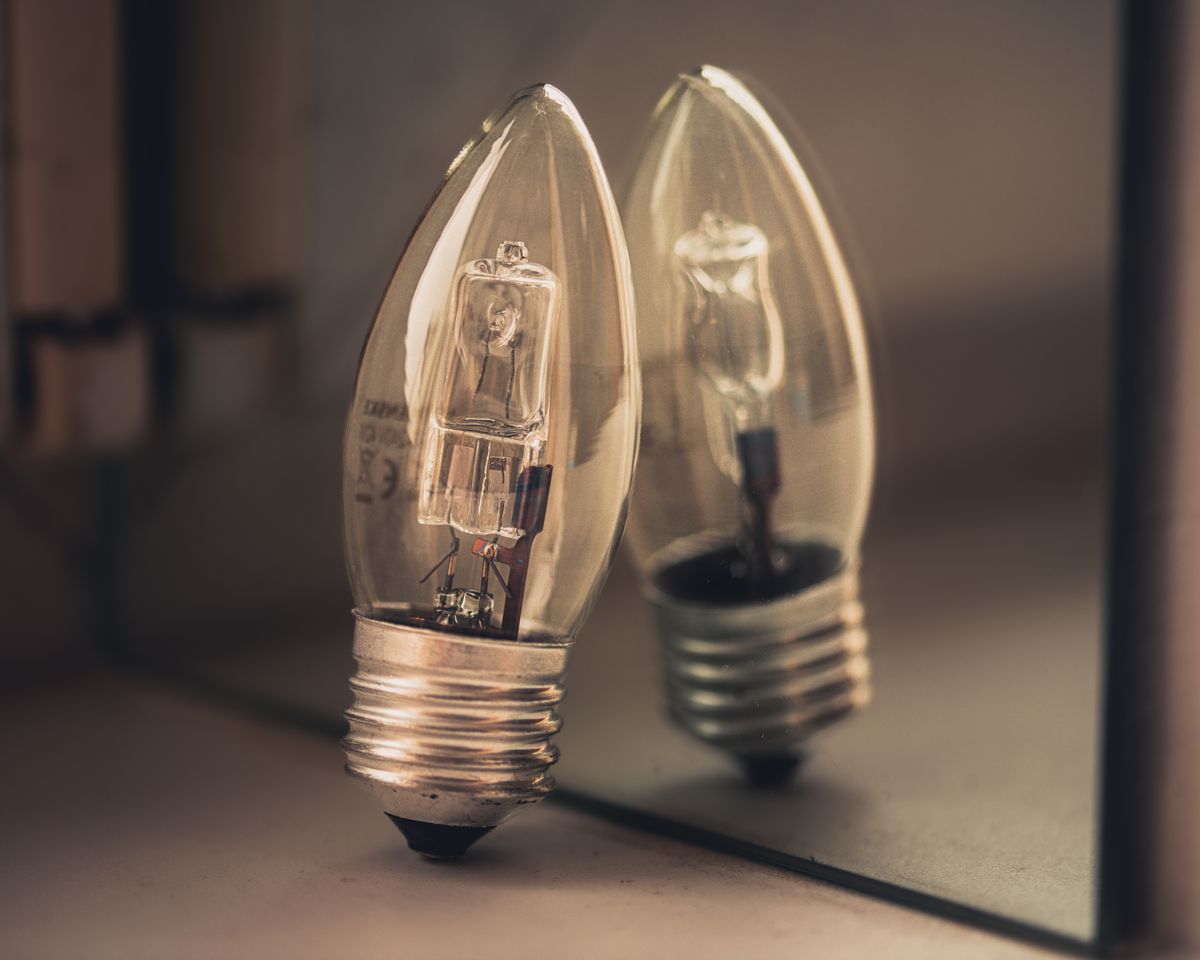
What Happens When Light Hits a Mirror? Easy 5-Step Guide
When light hits a mirror, the photons interact with free electrons in the metal coating. The electrons absorb the incoming photon energy and re-emit it almost instantly, sending the light back at the same angle it arrived. Here is exactly what happens, step by step.
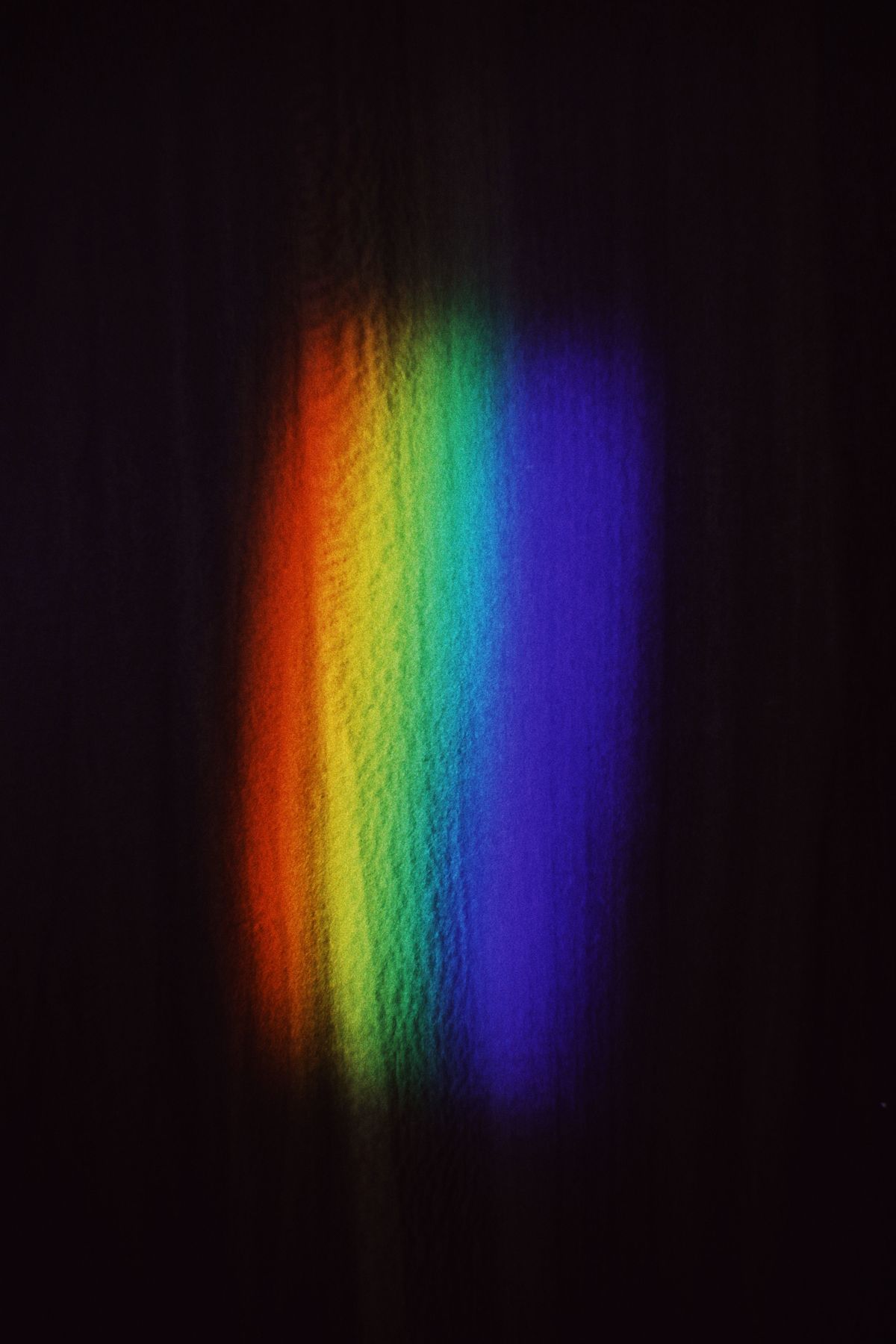
Reflection, Refraction, and Diffraction: Compare All 3
Reflection, refraction and diffraction are the 3 ways waves change direction when they meet a boundary. Reflection bounces the wave back, refraction bends it through a new medium, and diffraction spreads it around obstacles. Here is how to tell them apart, with a comparison table and everyday examples.

Reflection Physics Waves: Laws, Types and Examples Guide
Reflection is the change in direction of a wave when it bounces off a surface. Light, sound, and water all reflect the same way — the angle at which they arrive equals the angle at which they leave.

Reflection of Light Examples: 15 Real-World Cases Guide
Mirrors, lakes, rainbows, and road signs all rely on the same physics — reflection. Here are 15 examples of reflection of light from nature, everyday life, and technology.

Diagrams of Reflection: Simple 3-Step Guide for Beginners
Drawing a diagram of reflection is easy when you know the law. Here is how to draw a reflection diagram in 3 simple steps, with labelled examples for plane mirrors, curved mirrors, and diffuse reflection.

Convex Lens: Easy Guide, Types, Uses & 5-Min Ray Diagram
A convex lens is thicker in the middle than at the edges. It bends incoming light rays inward so they meet at a single point called the focus. This ability to converge light makes it essential in cameras, microscopes, telescopes, and eyeglasses. Here is everything you need to know about convex lenses.
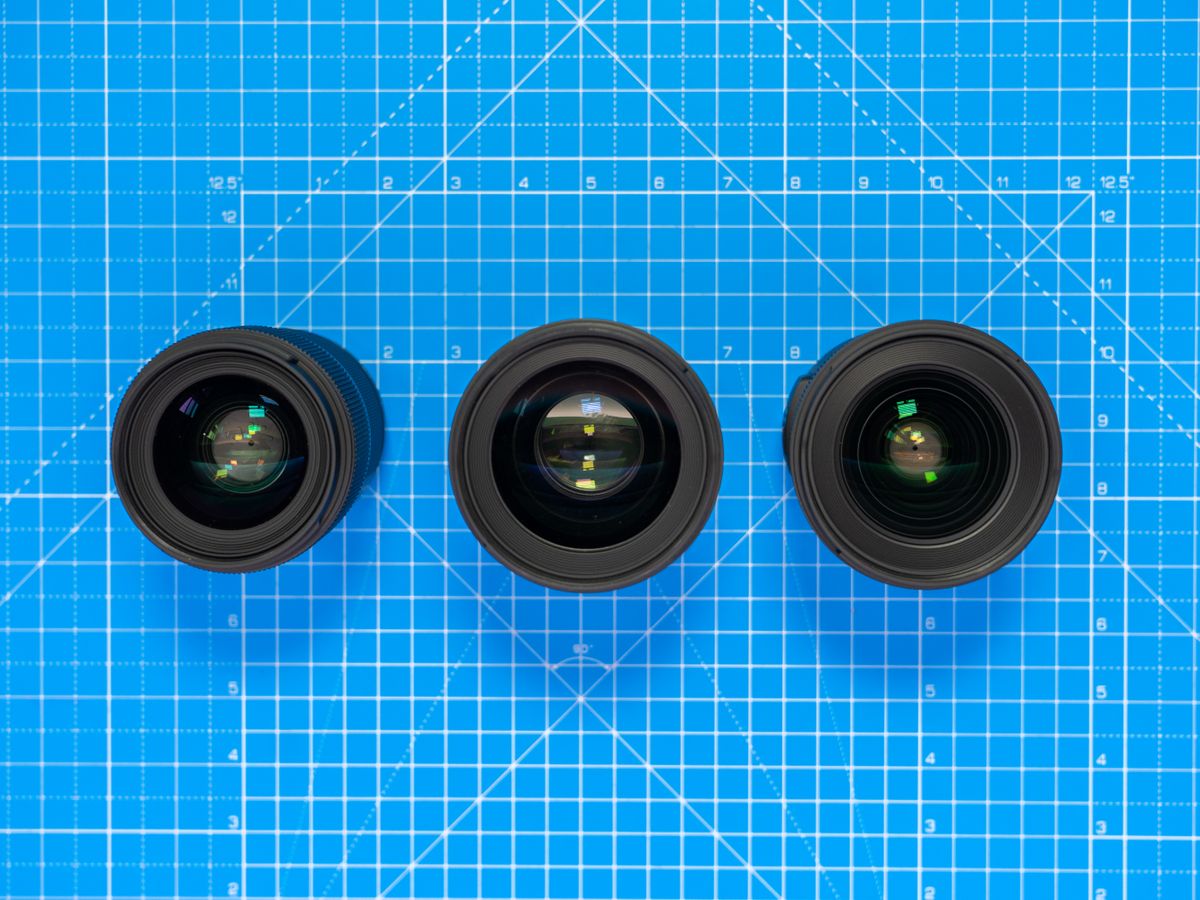
Concave vs Convex Lens: 7 Key Differences & Easy Comparison
A convex lens is thicker in the middle and converges light to a point. A concave lens is thinner in the middle and spreads light apart. Here are 7 key differences between them, how each forms images, and when to use which.
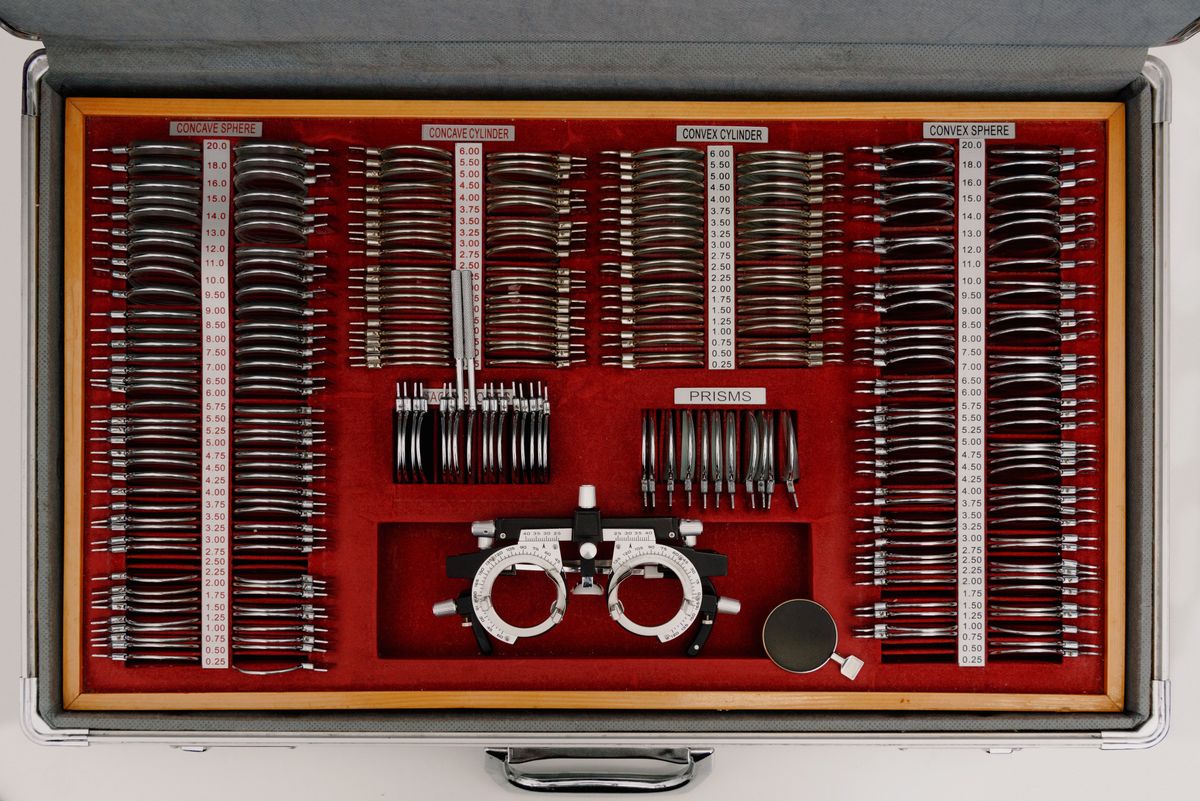
Concave Lens: Complete Guide, Types, Uses & 5-Min Diagrams
A concave lens is thinner in the middle and thicker at the edges. When light passes through it, the lens spreads the rays outward — it diverges them — so they never meet. This ability to spread light makes it essential in eyeglasses for myopia, door peepholes, flashlights, and laser systems. Here is everything you need to know about concave lenses.
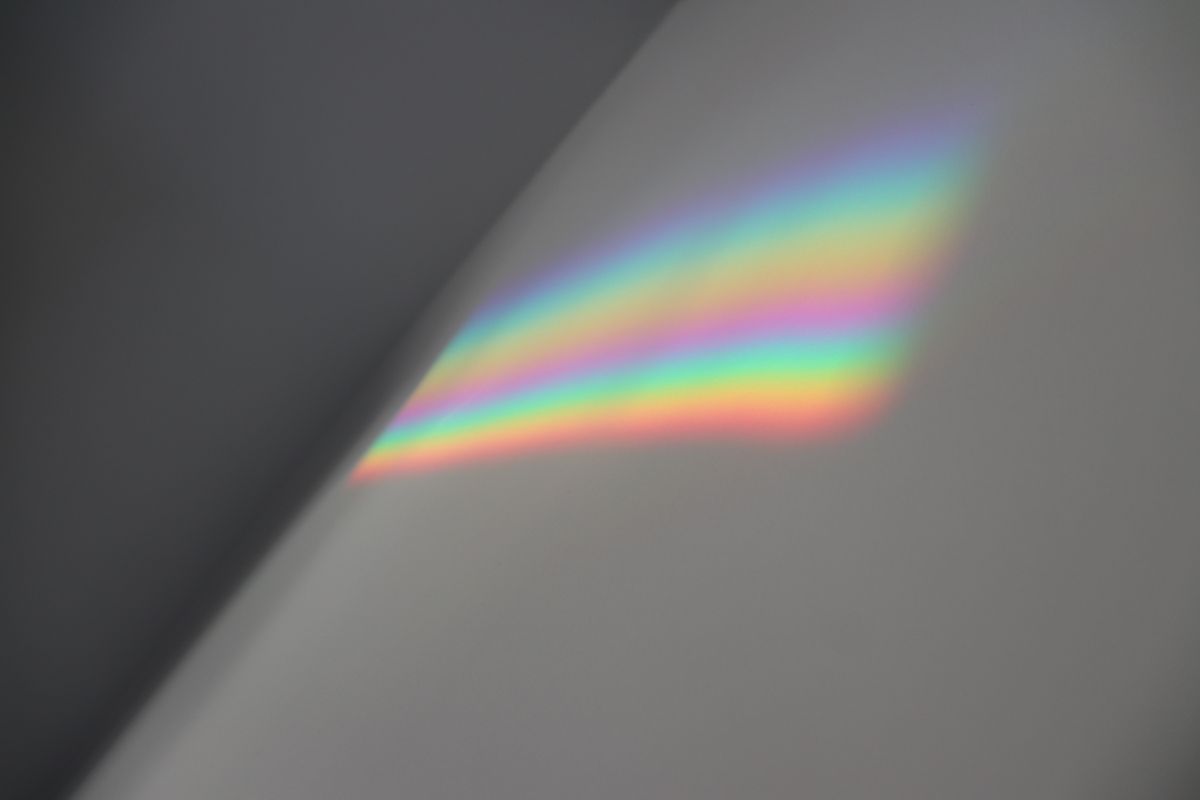
What Causes Refraction? The Physics of Why Light Bends
What causes refraction? Light bends — refracts — because it changes speed when crossing from one transparent material into another, and it hits the boundary at an angle. Both conditions are needed, and the amount of bending follows a precise rule called Snell's law. Here's the full physics from first principles.

What Is Refraction of Light? 20+ Everyday Examples
A straw looks snapped in a glass of water, a pool looks shallower than it is, and a rainbow paints the sky — all of it is refraction. Here are 20+ everyday refraction examples, plus a clear explanation of why light bends at all.