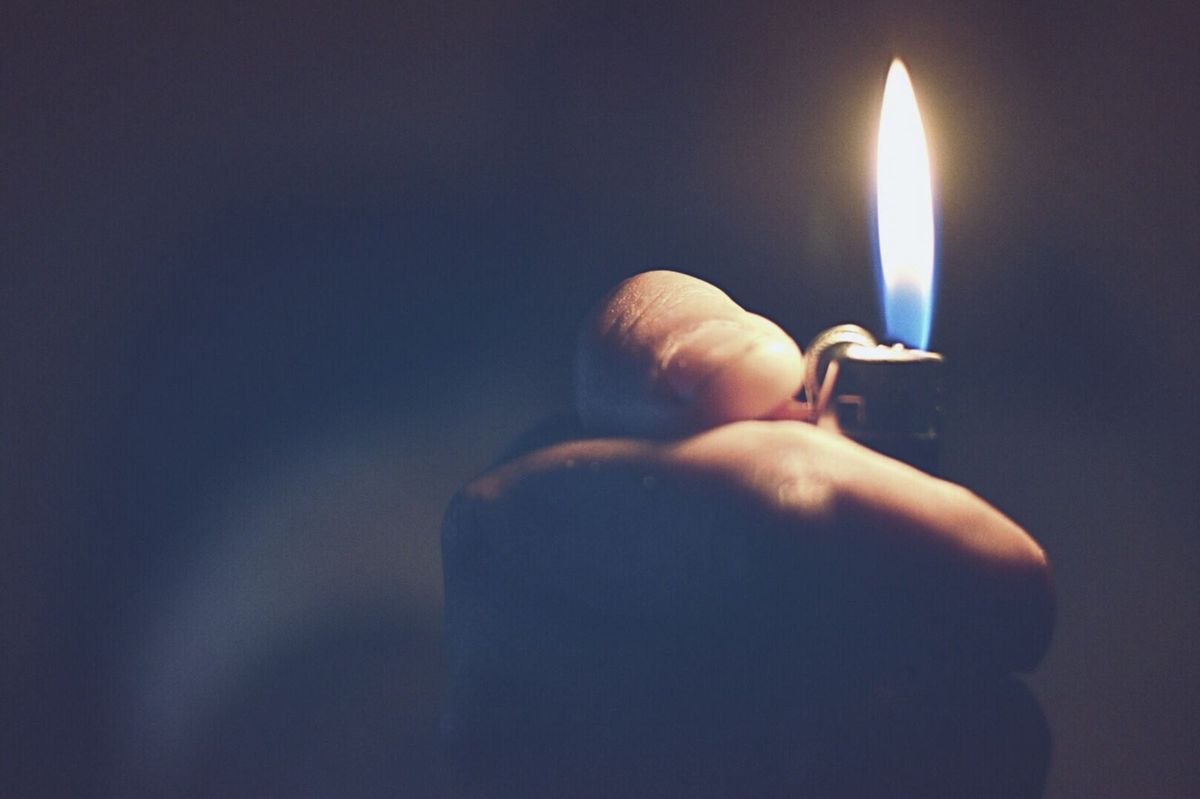
How does a lighter work? Every lighter does the same two-part job: it releases a fuel and ignites it. Press the lever and a stream of flammable gas escapes; at the same instant, the lighter makes a spark or a hot electric arc; the spark lights the gas, and you get a flame. The only real difference between a cheap pocket lighter, a refillable one, and a modern electric model is how they make that ignition. Here's where we're going: the parts inside, then exactly how flint, butane, and electric arc lighters each strike up a flame.
How does a lighter work? The quick answer
A flame needs three things at once: fuel, oxygen, and enough heat to get it started. A lighter supplies the fuel and the heat; the air around you supplies the oxygen.
- The fuel is usually butane, stored as a pressurised liquid, released as a gas when you press the valve.
- The heat is a spark — from a scraped flint, in most lighters — or a plasma arc in electric ones.
- The flame is the fuel burning in air, a chemical reaction that releases both heat and light.
That last point is worth noticing: a flame is a tiny chemical reaction turning stored energy into light and heat at once. It's one of the oldest examples of light energy humans ever controlled.
The parts of a lighter
A standard disposable lighter is a small, clever package with just a few parts:
- The fuel tank — the plastic body, holding butane under pressure as a liquid.
- The valve and nozzle — release a measured stream of gas when you press down.
- The striking wheel and flint — scrape together to throw a spark.
- The spring-loaded lever — does both jobs in one press: opens the valve and turns the wheel.
- The wind guard — the little metal hood that shelters the flame.
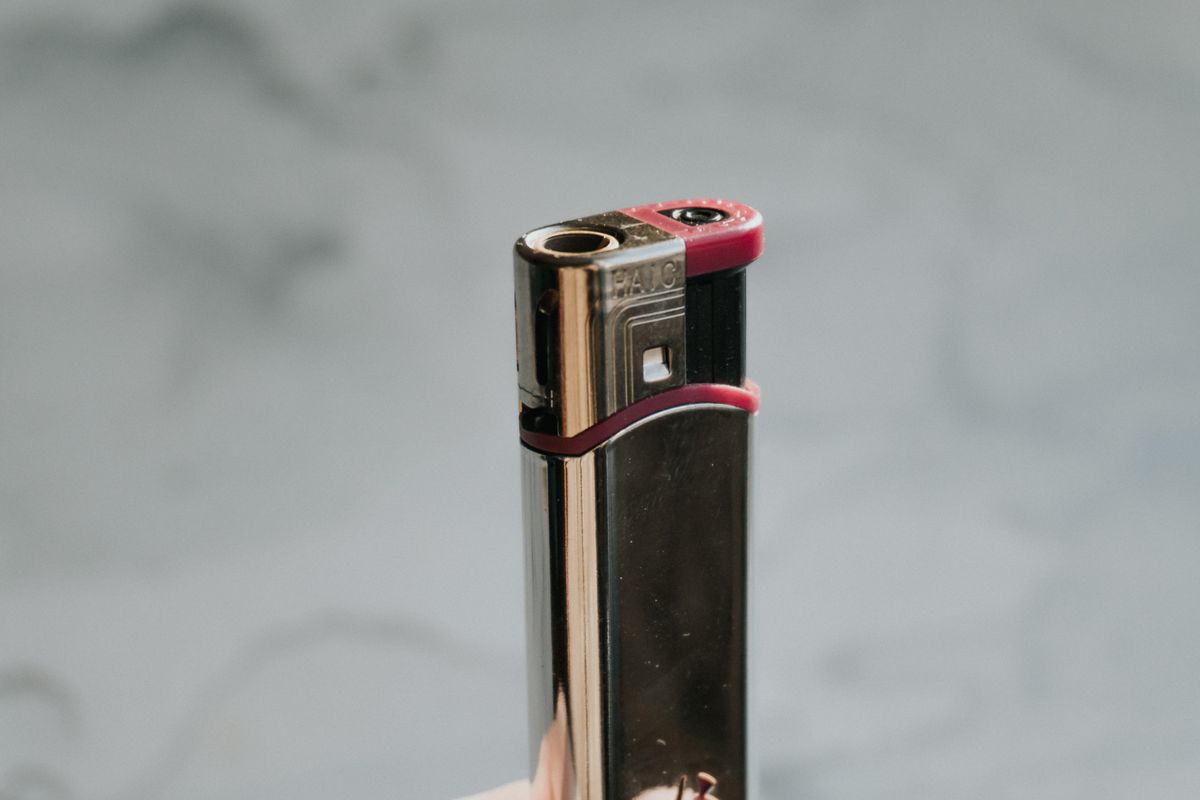
Electric lighters swap the wheel and flint for a battery, a circuit, and two metal electrodes that the arc jumps between. Either way, the design's whole trick is making the spark and the fuel arrive at the same place at the same moment.
How does a flint lighter work?
The classic pocket lighter strikes a spark by friction. Think of an angle grinder touching steel: the wheel shaves off tiny fragments and the friction heats them white-hot, so they burn in the air as a shower of sparks. A lighter does exactly that on a miniature scale.
When you roll the serrated steel wheel against the "flint," it scrapes off minute fragments. The friction heats them past their ignition point, and they burst into burning sparks — some reaching over 3,000 °C. Those sparks land in the butane stream leaving the nozzle and light it.
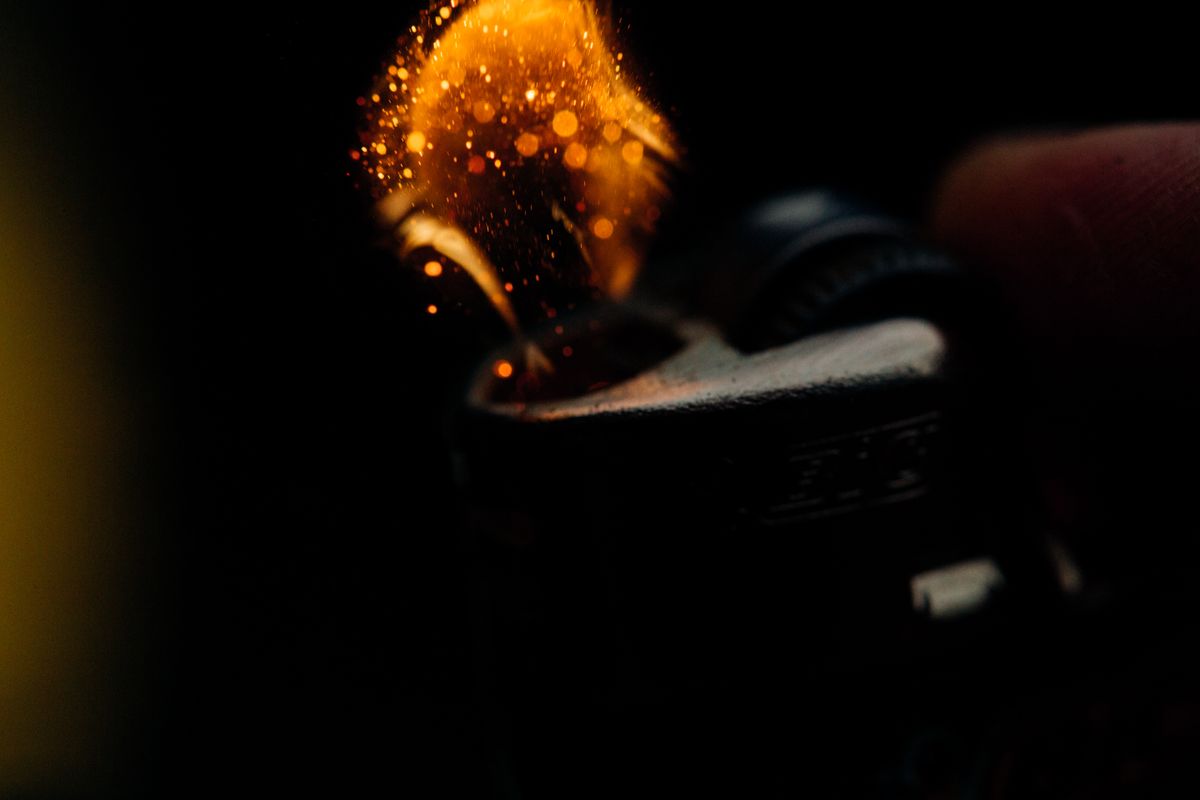
Here's a misconception worth fixing: that "flint" is not flint stone. It's ferrocerium, a soft synthetic alloy of iron and rare-earth metals, invented by the Austrian chemist Carl Auer von Welsbach in 1903. Ferrocerium is pyrophoric — it ignites from the heat of friction alone. So the sparks aren't chips of cold rock; they are genuinely tiny bits of burning metal. (Wikipedia's ferrocerium article covers the chemistry.)
How does a butane lighter work?
The fuel is the clever part here. Butane is a gas at room temperature, but squeeze it into a sealed tank and it turns to liquid — which is why you can see fuel sloshing in a clear lighter. Storing it as a liquid packs a lot of fuel into a tiny space.
Here's what happens when you press the lever. The valve opens, the pressure inside drops, and the liquid butane instantly flashes back into gas — much like a shaken fizzy drink hissing out when you crack the cap. That gas rushes out of the nozzle, the spark ignites it, and it burns in the surrounding air as a steady flame. Hold the lever and the flame continues; release it, the valve shuts, the fuel stops, and the flame dies at once. (Wikipedia's butane article has the fuel's properties.)
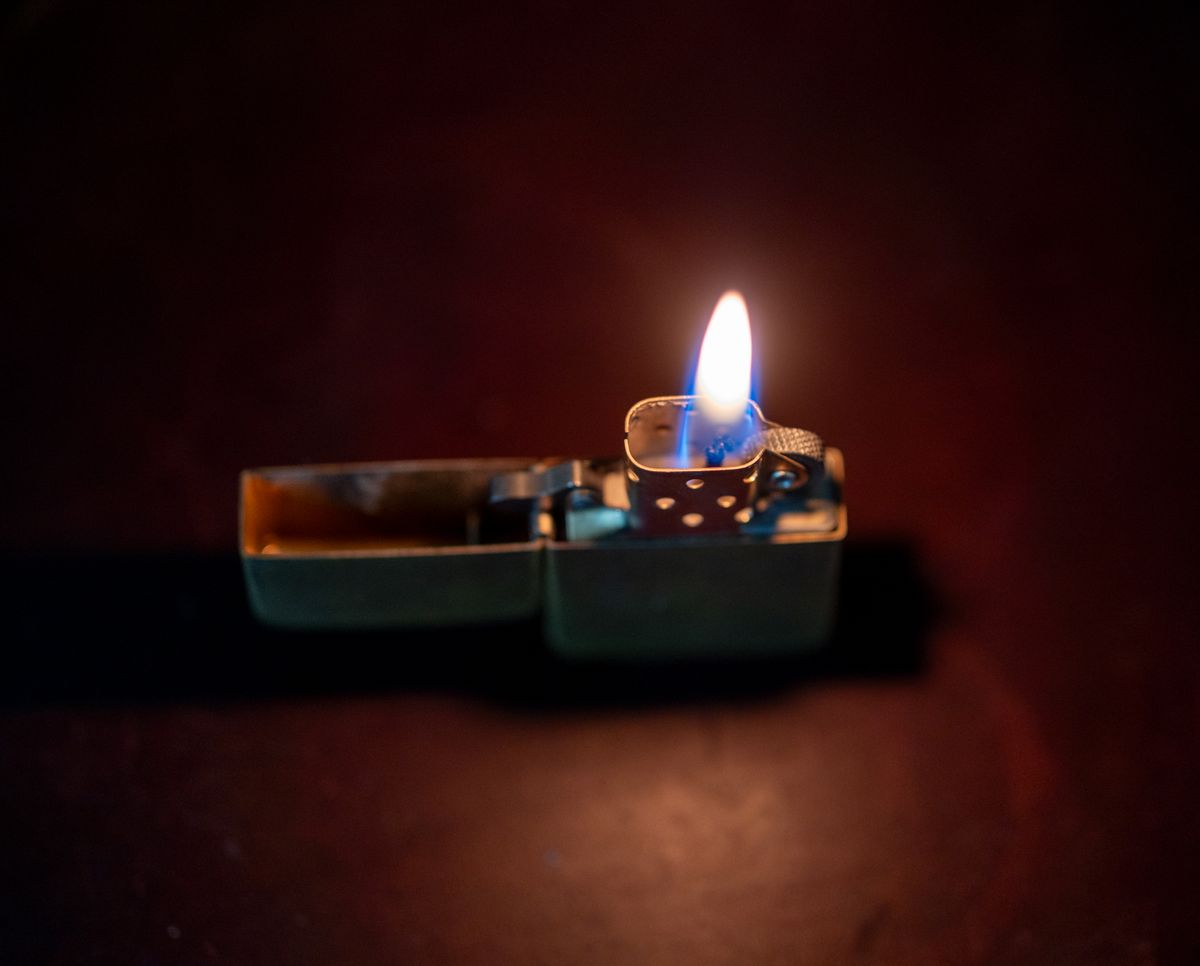
How does an electric arc lighter work?
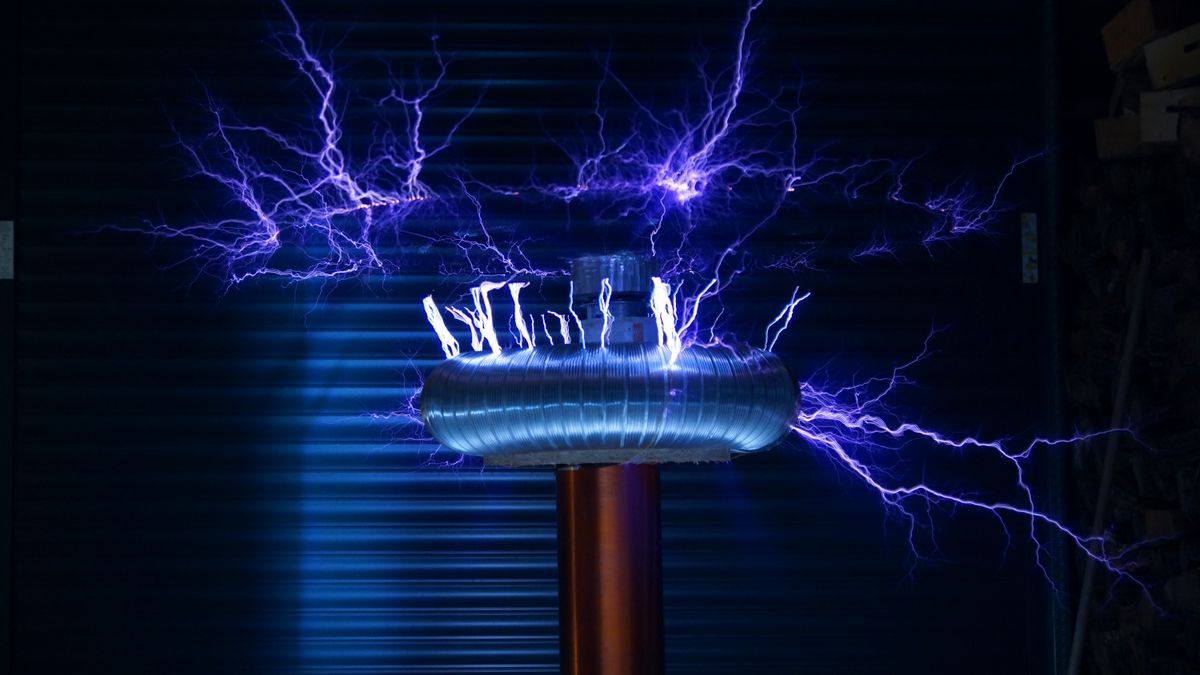
An electric arc lighter makes no flame at all — it makes a tiny bolt of lightning. Picture a storm cloud jumping a spark to the ground; an arc lighter does the same thing across a gap a few millimetres wide.
Inside is a rechargeable lithium battery at a modest 3.7 volts and a circuit that steps that up to several thousand volts. Air is normally an insulator, but pile on enough voltage — roughly 3,000 volts across a single millimetre — and it breaks down. The high voltage tears electrons off the air molecules in the gap, turning that sliver of air into a glowing, electrically conductive plasma: the visible arc. The arc is hot enough to light a candle, a stove, or kindling. And because there's no flame, you can't blow it out — which makes these lighters genuinely windproof. (Wikipedia's lighter article covers the arc type.)
Why is a lighter flame blue at the bottom and yellow on top?
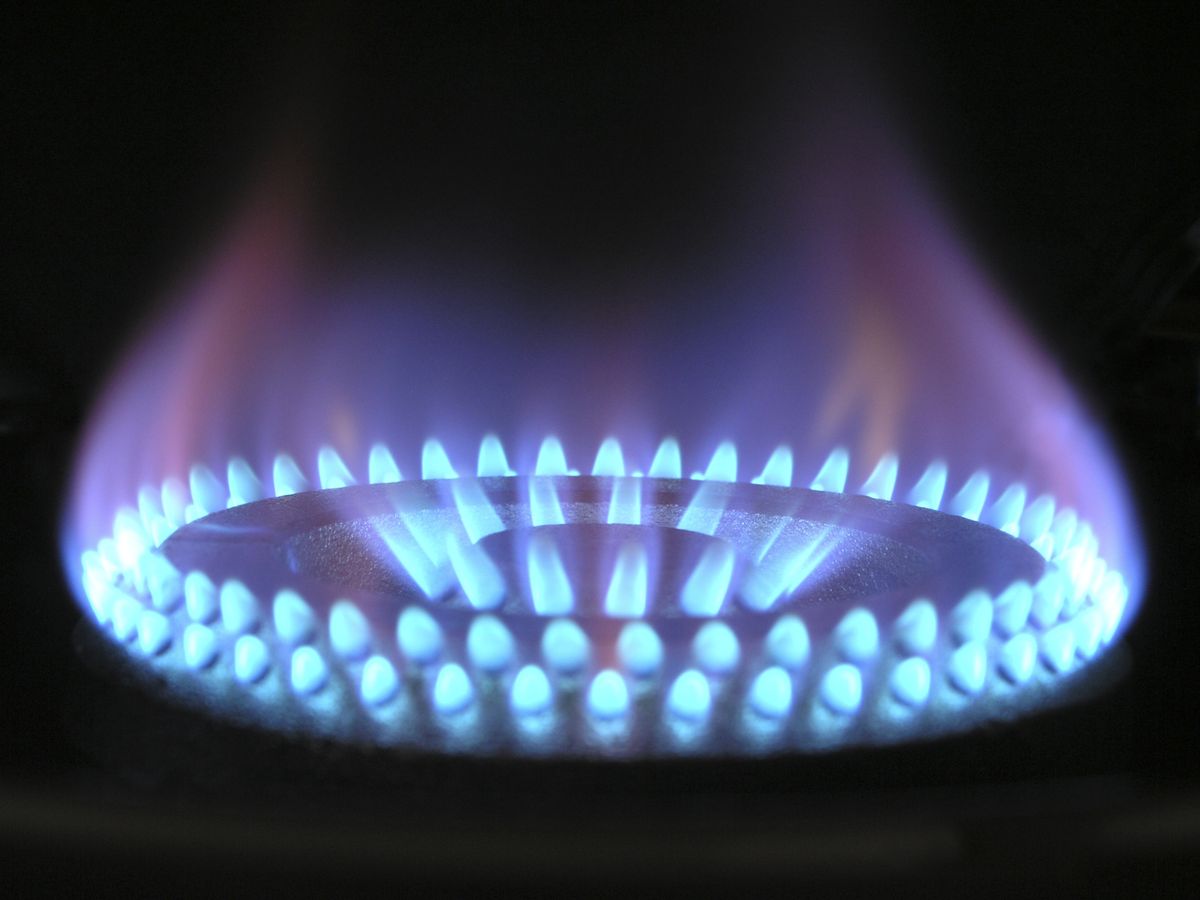
Look closely at a lighter flame and it isn't one colour — it's blue near the nozzle and yellow at the tip. That colour is a map of how completely the fuel is burning.
At the base, fresh gas mixes with plenty of oxygen and burns completely. This is the hottest part, and complete combustion glows blue. Higher up, the oxygen starts to run short. The fuel only partly burns, leaving tiny specks of soot (carbon) that get heated until they glow — and hot soot glows the warm yellow you see in a candle or a lighter tip. It's the same reason a gas hob burns clean blue but a sooty flame turns yellow. The colour of a glowing object is set by what it's made of and how hot it is — the same idea behind the different types of light that materials emit.
One original diagram for this article: a three-panel cutaway. Panel one, a flint lighter with the wheel scraping ferrocerium into sparks landing in the gas stream. Panel two, a butane lighter showing liquid fuel in the tank flashing to gas at the open valve. Panel three, an arc lighter with two electrodes and a labelled plasma arc bridging the gap. One image contrasting "spark plus fuel" with "pure electric arc."
Want the science of the light and heat a flame gives off? Start with our light energy guide, or browse all our optics guides.
Frequently Asked Questions
How does a lighter work in simple terms?
A lighter brings two things together: a fuel and a source of ignition. Pressing the lever releases a stream of flammable gas and, at the same moment, makes a spark. The spark sets the gas alight, and the flame keeps burning as long as the fuel keeps flowing. Electric lighters skip the gas and ignite with a hot plasma arc instead.
How does a flint lighter work?
A small wheel scrapes against a 'flint' — actually a soft metal alloy called ferrocerium. The friction shaves off tiny fragments and heats them so much that they catch fire in mid-air, throwing out sparks. Those sparks ignite the butane gas released at the same moment, lighting the flame.
How does a butane lighter work?
Butane is stored under pressure as a liquid in the lighter's tank. When you press the valve, the pressure drops and the liquid instantly turns to gas, rushing out of the nozzle. A spark ignites that gas stream, and it burns as a steady flame until you release the valve.
How does an electric arc lighter work?
An arc lighter uses a rechargeable battery and a circuit that steps its 3.7 volts up to several thousand volts. That high voltage rips electrons off the air molecules in a small gap, turning the air into a glowing plasma arc hot enough to light a candle or stove. With no flame to blow out, it is windproof.
Why is a lighter flame blue at the bottom and yellow at the top?
The blue base is where the gas mixes with plenty of oxygen and burns completely and hottest. The yellow tip is where oxygen runs short, leaving tiny soot particles that glow yellow-hot. So the colour is really a map of how completely the fuel is burning.
Is the fuel inside a lighter dangerous?
Butane and lighter fluid are highly flammable and the tank is pressurised, so lighters should be kept away from heat and not punctured. In normal use they are safe, but a lighter left in direct sun or a hot car can leak or burst. Treat the fuel with the same care you would any flammable gas.

About Umar Farooq
Umar Farooq writes in-depth guides on the physics of light and optics — from reflection, refraction, and lenses to diffraction, lasers, and fiber optics, explained from first principles.
Read more about Umar Farooq →